
Introduction
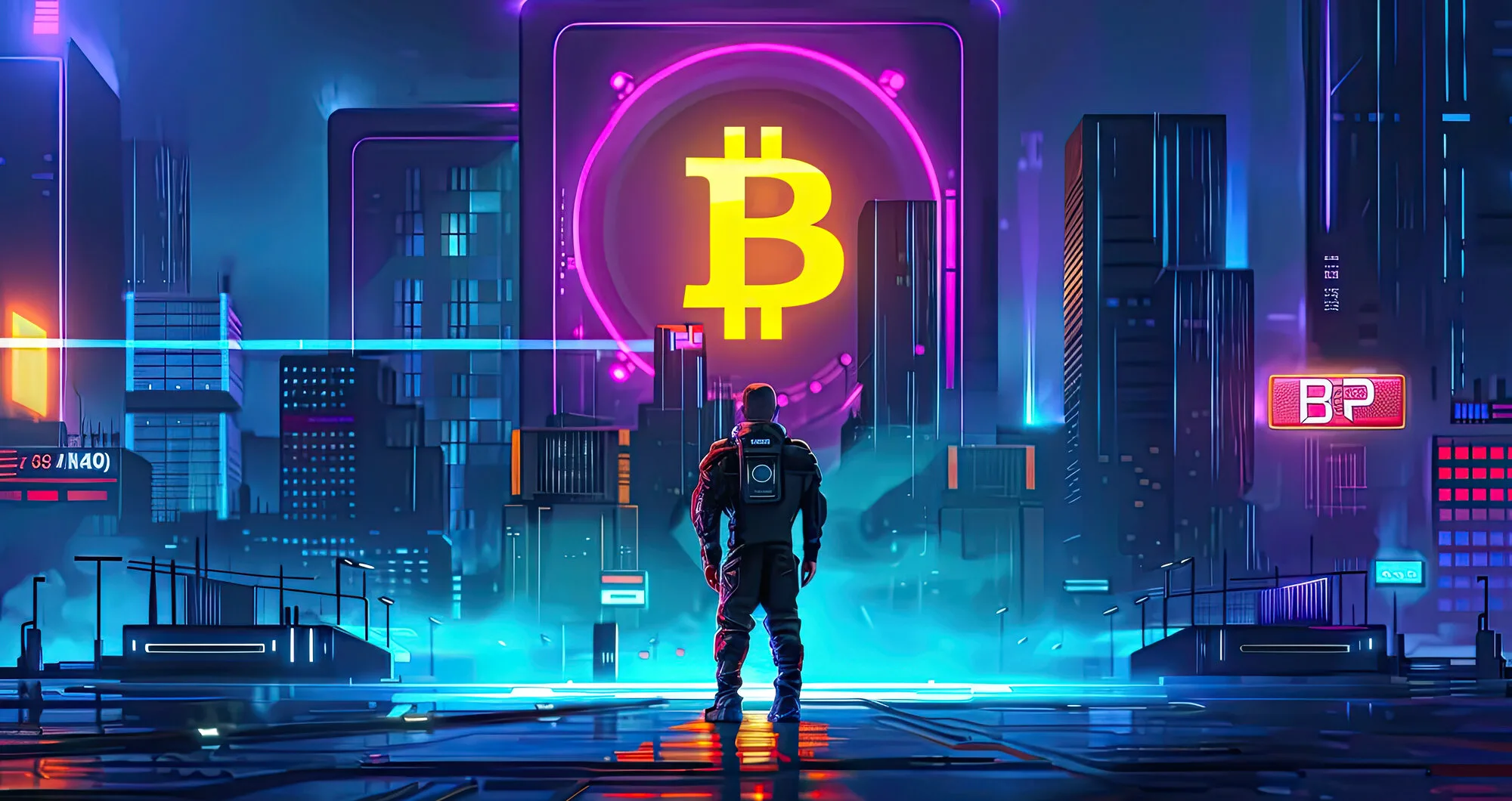
The digital art revolution has now arrived, and is fueled by the union of Web3 and the new-generation 3D rendering. While NFTs (Non-Fungible Tokens) are revolutionizing ownership in the digital sphere, artists are employing advanced techniques to create beautiful, unique digital objects. From photorealistic animation to stylized 3D characters, the beauty of these pieces lies in the power of render services that make imagination a reality, assisting in the era of 3d rendering NFT creation.
For artists creating detailed pieces of NFT art, scalability and speed are essential, which is effectively provided by a cloud render farm. It has the ability and scope to make high-quality productions efficiently and successfully.
What NFT Rendering Means in Digital Art
The art of NFT rendering refers to the creation of fine 3D images made for the purpose of blockchain digital art. NFTs, in comparison to typical digital art, require unique, authentic means that have to be safely minted and exchanged. Render farms are a critical part of this pipeline as they allow creators to generate detailed scenes, animations, and models with the best workflow.
With cloud render farm service, artists don’t need to concern themselves with their artwork as they can remove their burden of heavy computations and leave it on the distributed render farm servers. It does something fundamental; it not only makes their NFT collections stunning and beautifully designed but also blockchain-verifiable and optimized. It also gives the speed and reliability required for professional outcomes.
How Blockchain and 3D Rendering Interact
Blockchain technology gives a decentralized record of ownership, and online rendering enables high-fidelity digital assets to be created. The merging of these two technologies is creating what some refer to as blockchain rendering — a new model in which each step of the creative process can be logged, authenticated, and published on-chain. Using these two technologies together allows artists:
- True Digital Scarcity – Each NFT is linked to a specific 3d digital illustration that is supported by blockchain technology.
- Efficiency at Scale – it allows the artists to work together on large-scale and complex projects without being limited by hardware.
- Collaborative Workflows – Render farm software helps artists and teams to work remotely on NFT projects.
- Provenance Tracking – it keeps track of the history, such as iterations, inputs by artists, and technical data, helping in the audit process along with ownership authentication.
- Dynamic NFTs – Advanced rendering makes programmable NFTs possible that can change visually according to smart contracts, like changing textures, animations, or details according to external data or owner input.
- Cross-Platform Utility – Top-notch 3D renders make NFTs platform-independent across metaverses, game engines, and AR/VR implementations, enhancing their long-term value and interoperability.
- Energy-Efficient– Certain blockchain networks offer a focus on sustainability, and the use of these with optimized cloud rendering minimizes the carbon cost of producing sophisticated 3D NFT assets compared to conventional local rendering technologies.
Artists can create work more efficiently with rendering on the cloud, providing finished work that is improved in a hectic NFT marketplace.
Benefits of Using 3D Rendering for NFTs
Using online rendering technology, especially for NFTs, gives the artists an edge. Here are some of the advantages.
| Benefit | How it Helps Artists |
| Superior Visuals | Brings their art to life with fine lighting, motion, and texture. |
| Swift Production | Artists don’t have to wait for long hours, and cloud render farms help speed up the process. |
| Cost-Effective | No need to buy expensive hardware— you have to pay only for the service used on the cloud |
| Multi-Platform Potential | The same 3D model can be reused for games, the metaverse, or future NFT releases. |
| Worldwide access | High-end tools can be accessed from anywhere around the world with a simple internet connection. |
| Scalability | Whether it is a single NFT or 10,000, artists can create it without having an impact on the quality. |
| Remote Collaboration | Artists from different regions can work together by syncing on the cloud. |
| Long-lasting Assets | High-def 3D files will not go out of style, and they can be updated for VR, AR, and future techs. |
Tools and Platforms for NFT Rendering
NFT-grade 3D artwork needs to be based on the right software. Some of the widely used software are:
- Blender (free, open-source, used for modeling and animation)
- Cinema 4D (excellent for motion graphics and dynamic simulation)
- Unreal Engine (the real-time rendering and interactive NFT industry leader)
But even the greatest software requires processing power. That is where the best cloud rendering services step in, such as Rebus Render Farm, allowing artists to farm jobs out to a rendering farm and get them back in minutes. This bypasses the local bottleneck, making it possible to complete tight deadlines.
Future Trends in 3D NFT Art
The NFT universe is changing fast, and rendering farms are at the center of it. Here’s what the future has in store:
- AI-Generated NFTs – Machine learning tools help generate dynamic, changing 3D art.
- Interactive Collectibles – Tokenized assets that react to user actions or exist within virtual worlds.
- Metaverse Integration – Spaces where collectors can show off their 3D-rendered NFTs within immersive environments.
With increasing need, cloud farm solutions will increasingly become integral to artists willing to experiment at the cutting-edge of creative art.
Beyond the Drop: Turning Visuals into Long-Term Digital Value
The emergence of NFTs has turned digital art into verifiable, ownable assets, but their real potential lies far beyond a single sale. To use the NFTS in the future, it is important that they are of high quality, allowing artists to use them in games, virtual worlds, make changes, or resell
Unlike 2D static art, good-quality 3D rendering NFTs have embedded flexibility. Collectors can use these assets in the video games as items, characters, or furnishings.. With the growth of the metaverse, the 3D models will become more precious because they can be used in different virtual worlds.
Resale is an essential factor; 3d NFTs are very appealing to collectors as they can be updated and reused. This makes them priceless. Projects that permit alterations in details, open up new content, and utilize them under specific rights make them eternal and beneficial.
For artists willing to take their NFT art to the next level, a cloud render farm provides the speed, strength, and adaptability necessary to succeed in this high-paced business.