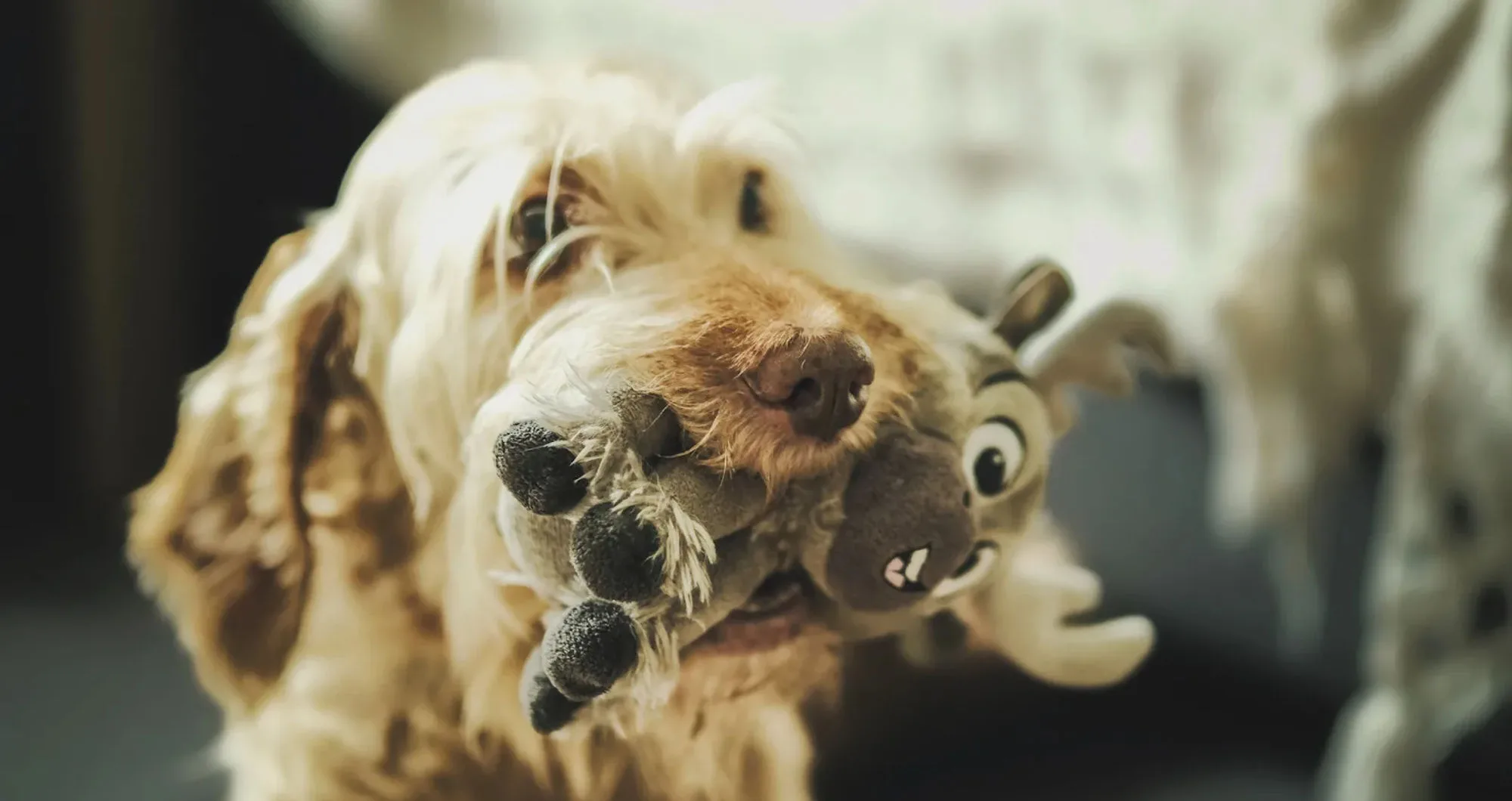

If you have ever settled onto the couch only to find a dog toy dropped into your lap, you are not alone. Many dogs proudly deliver a chewed-up tennis ball, a squeaky plush, or even your missing slipper as if they are offering you a priceless gift. On the surface, this habit is adorable, sometimes messy, and always part of life with a playful pup. Beneath that wagging tail, it is really your dog’s way of sharing how they feel and what they need from you.
Understanding why dogs bring you toys goes far beyond amusement. It shows you their natural instincts, their need for connection, and the little ways they ask for your time and care. Brands like https://www.happystaffyco.com/ make quality dog toys that help dogs express these natural urges in safe and fun ways. Knowing what this behaviour means and choosing the right toys keeps your dog healthy, calm, and happily bonded to you every day.
Key takeaways
- When dogs bring you toys, they are showing trust, affection, and a strong need to connect with you.
- Dogs naturally carry and share toys because of their instincts, breed traits, or simply to ease boredom and feel secure.
- Playing with your dog when they offer a toy helps strengthen your bond, but it is just as important to teach them when playtime is over.
- Providing dogs with variety like different toys, puzzle feeders, and new activities, keeps them mentally active and less likely to demand attention all day.
- If a dog shows guarding or obsession, reaching out to a trainer or vet can help you handle the behaviour before it becomes a bigger issue.
Why dogs bring toys to their owners
Dogs are clever, social creatures with deep-rooted instincts. When they deliver a toy to you, they might be expressing several different motivations all at once. Here are the most common reasons:
Instincts from their ancestry
In the wild, canines bring back food or prey to share with their pack. Domesticated dogs no longer hunt for survival but the urge to carry, deliver, and share is still hardwired into many breeds. When your dog drops a toy at your feet, it might be a modern version of this ancient pack behaviour.
A simple request for attention
Dogs quickly learn which behaviours make you look up from your screen. Dropping a toy in your lap or pushing it into your hand is an effective way to say, “Spend time with me, please.” For many dogs, this is their polite invitation to connect and enjoy your focus.
An open invitation to play
Dogs are social animals that crave interaction. Bringing you a toy is their straightforward way of saying they want to play. Tug, fetch, or gentle wrestling with a toy is not just entertainment for them, it is an important outlet for physical exercise and mental stimulation.
A trusting gift
To you, it might be a dirty old ball, but to your dog, it is a prized possession. Sharing a favourite toy is a sign they trust you completely. It is their way of offering you something they value and letting you be part of their world.
Comfort and security
Some dogs carry toys when they feel nervous or bored. Bringing that toy to you might be how they look for reassurance. It means they trust you to help them feel safe when they are overwhelmed or uncertain.
Why dogs bring toys in different situations
Dogs do not bring toys for the same reason every time. Their age, breed, and what is happening around them shape what they want from you. Paying attention to these small details can help you respond in a way that keeps your dog confident and happy.
Puppies and young dogs
Puppies carry toys because they are curious and still learning what to do with their teeth and mouth. Bringing you a toy is one way they practice social interaction and see how you react. Many puppies will drop a toy, run off with it, then come back to see if you will chase them, which builds trust and play skills.
Certain breeds love it more
Breeds like Labradors, spaniels, and retrievers were bred to pick up and carry things for people. Dropping a toy at your feet is like showing they remember their job. Even older dogs from these breeds may still act like playful puppies when they have something to fetch or deliver.
Greeting new people
A dog that greets guests with a toy is usually trying to say hello in a friendly way. Holding a toy helps many dogs feel more comfortable around new people because it gives them something to do with their mouth. Sometimes they will parade around proudly with the toy to get attention and show off.
Bringing toys to other pets
When a dog brings a toy to another dog or a cat, it might mean they want to start a game or share something they value. Some dogs even test their place in the pack by seeing if the other pet will try to take the toy. If your pets get along well, toy sharing can build trust between them too.
Taking toys to special spots
Many dogs like to carry toys to their bed, crate, or favourite corner of the house. This habit helps them feel safe, calm, and surrounded by familiar scents. You may notice your dog even arranges toys in certain places, a sign they see these objects as part of their personal space.
Why does my dog bring me toys and whine?
When your dog brings you a toy and whines, they are not just making noise for no reason. This mix of behaviour is one of their clearest ways to tell you what they need right then and there.
Often, whining with a toy means your dog feels excited but wants you to help start playtime. They want you to grab the toy, throw it, or tug it so they can release energy and have fun with you.
Sometimes this also shows boredom. Your dog might bring you a toy hoping you will stop what you are doing and give them more attention or something new to do.
In other moments, whining while carrying a toy can be a sign your dog feels nervous and uses the toy to feel safe while looking to you for comfort.
If this happens a lot, try adding more playtime, brain games, or longer walks. A dog with enough exercise and mental challenges is calmer and less likely to beg for constant play every time you sit down.
How to respond when your dog brings you toys
Dogs need guidance as much as they need affection. How you respond to this behavior shapes whether it becomes a healthy ritual or an exhausting demand for your attention.
Accept the invitation when you can
When possible, join in. A quick round of fetch, tug, or hide-and-seek with a toy builds trust and satisfies your dog’s social and physical needs.
Use play as a training opportunity
Bringing toys can be an excellent moment for gentle training. Reinforce commands like “Drop it,” “Take it,” and “Give.” This keeps your dog mentally sharp and adds structure to playtime.
Set clear boundaries
If your dog is dropping toys at your feet nonstop while you work or eat dinner, teach them when it is playtime and when it is not. Calmly place the toy aside, use a clear phrase like “All done,” and reward them when they respect your boundary.
Redirect excessive demands
If your dog becomes obsessed with you throwing toys all day, balance it with other activities. Introduce food puzzles, chew toys, or short training sessions to redirect some of that energy.
What to watch out for with dog toys bringing
While most toy-carrying is harmless, there are times it could signal something deeper.
If your dog becomes possessive or aggressive when you try to take the toy back, they could be developing resource guarding habits that need to be addressed early with training or help from a professional.
If your dog suddenly starts carrying and delivering toys obsessively or looks distressed when you ignore them, it could be a sign of boredom, separation anxiety, or stress that needs your attention.
How to encourage healthy toy habits
Keeping this behaviour healthy is about balance. Offer plenty of opportunities for your dog to play, but also make sure they have other outlets for energy and enrichment.
Rotate toys
Keep toys exciting by rotating them weekly. Store a few out of sight and swap them in later to spark fresh interest.
Use puzzle toys
Puzzle feeders and treat-dispensing toys keep your dog’s brain busy, which reduces over-reliance on you for entertainment.
Daily exercise
A tired dog is a happy dog. Regular walks, runs, and free play help burn energy so your dog does not rely only on toy delivery to get attention.
Scheduled playtimes
Build regular play sessions into your routine. When your dog knows they can count on quality time with you, they are less likely to demand it non-stop.
FAQs about dogs bringing toys
Why does my dog bring me toys when I get home?
They are excited you are back and want to share their happiness with you. Some dogs even see it as welcoming you back into the “pack.”
Do all dogs do this?
No. Some dogs prefer other ways of showing affection. Some greet you by jumping, others curl up beside you, and some simply wag their tails like crazy.
Why does my dog whine while carrying a toy?
They want to play but feel stuck because they cannot do it alone. The whining is your cue that they need help to get the fun started.
What if I ignore them?
It is fine to ignore toy offerings sometimes if you have set a clear boundary. Just be consistent so your dog understands when you are available to play and when you are not.
Should I take the toy away when we are done?
Putting toys away after playtime helps some dogs settle down and signals that play is over. For other dogs, leaving toys out brings comfort. Choose what works best for your pet.
How to tell if you need expert help
Most of the time, a dog bringing you toys is normal and healthy. It shows trust, playfulness, and a desire to bond. But sometimes this habit can turn into a problem if your dog becomes too possessive or demands toys nonstop.
If your dog growls when you try to take a toy away or guards it aggressively, they could be developing resource guarding behaviour. Constant whining, pacing, or demanding toys for hours can also mean they are not getting enough exercise or mental challenges.
When this happens, it helps to talk to a certified trainer or vet. A trainer can teach you how to set clear rules and redirect unhealthy habits. A vet can check for any stress or health issues behind the behaviour. Getting help early keeps your dog calm, balanced, and happier in daily life.