
When London’s Mayor Sadiq Khan declared his ambition to make the city “the sporting capital of the world,” he wasn’t just taking about trophies and podiums. At the heart of this vision lies an opportunity that could reshape London’s economy and infrastructure for years to come — and it starts with hospitality.
By: Matthew Prosser, Senior Director at Agilysys
While stadiums and medals steal headlines, it’s the city’s hotels, restaurants, pubs, cafés, and transport services that carry the weight of delivering an unforgettable experience to millions who visit the capital. From international tourists and fans to athletes’ extended families, broadcasters, and business delegates — they’ll all be relying on the hospitality sector to not just accommodate but delight them.
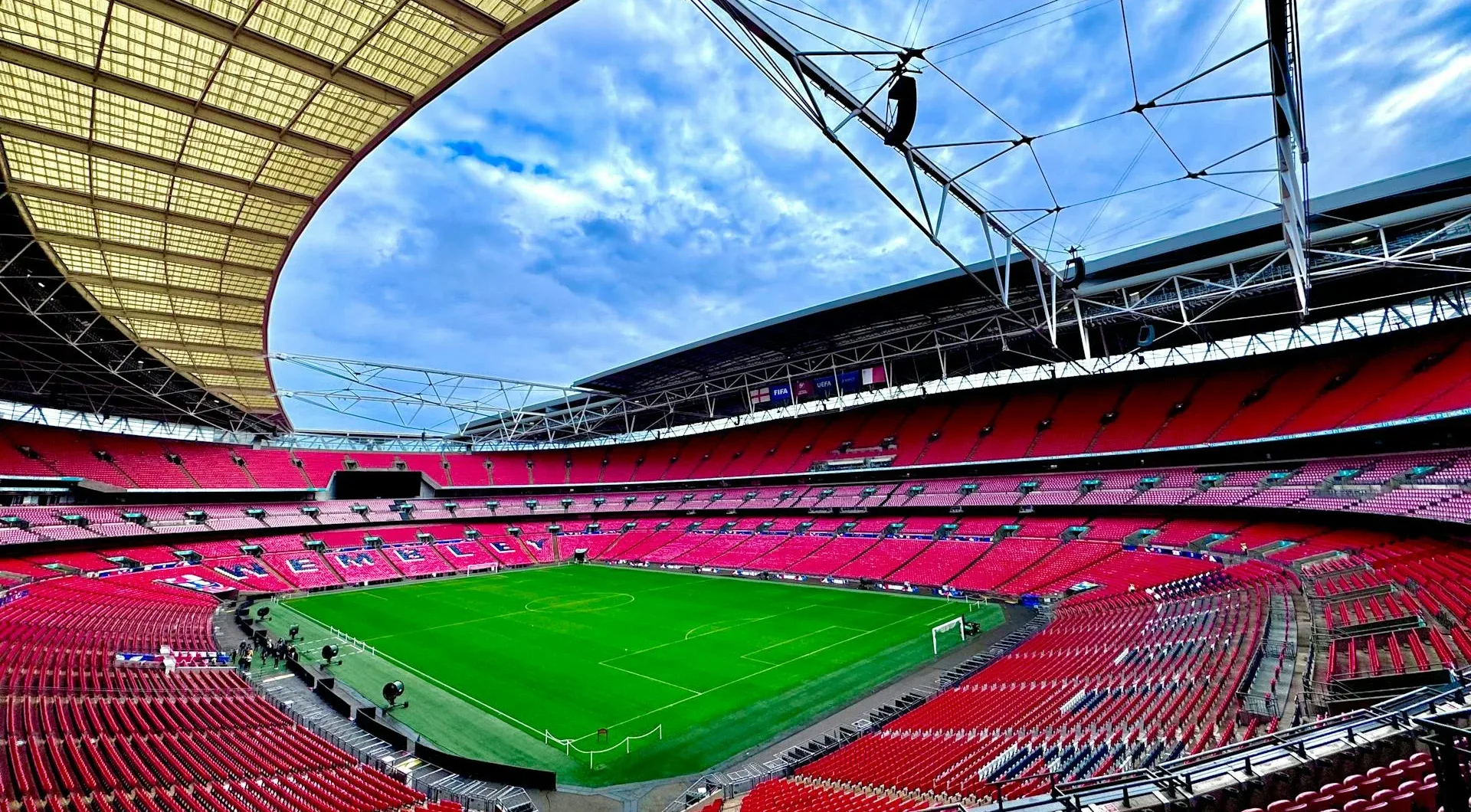
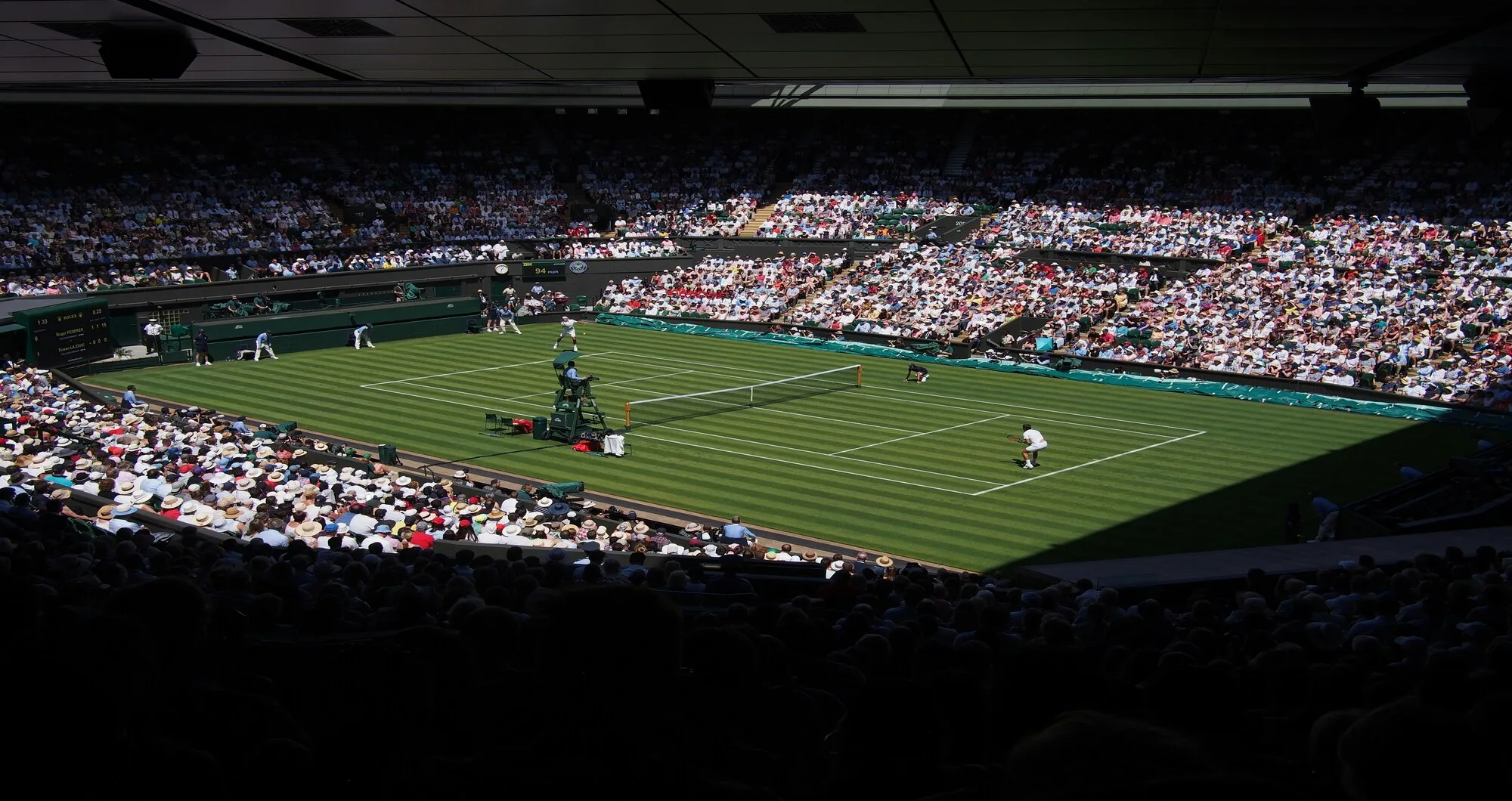
The city is already making strategic moves in this direction. From hosting the Women’s Rugby World Cup final this year, to being a central venue for UEFA Euro 2028, and the UK’s solo bid for the 2035 Women’s World Cup, the city is building momentum. London is also campaigning to host the World Athletics Championships in 2029, showing that the potential for hosting Olympics in 2040 could be the crown jewel in an already packed sporting decade.
A successful bid to host the 2040 Olympics would do far more than bring the world’s top athletes to London — it would spark lasting employment opportunities, attract investment into local businesses, and cement the capital’s status as a global hub for tourism, innovation, and long-term economic growth.
Consider this: in just the past year, six major sporting events generated over £230 million for London’s economy. What often goes unspoken is how much of that impact stems from the hospitality ecosystem firing at full capacity — welcoming global audiences, delivering seamless guest experiences, and offering memorable cultural experiences that bring visitors back for years to come.
By 2040, the nature of that guest experience will have changed dramatically. AI and hospitality technology are evolving rapidly, offering new ways to personalise and streamline the customer journey. Think about international guests arriving in London and having their entire itinerary — hotel booking, spa reservations, stadium shuttles, and restaurant preferences — housed in a single app, tailored to their habits and adjusted in real time.
For the hospitality industry, such major events pose both challenges and major scaling-up opportunities. With smart systems that integrate booking data, spending habits, and previous visits, hotels and restaurants will be equipped to leverage predictive analytics to offer guests everything from preferred room layouts and check-in times, to favourite wine pairings. When robust hospitality tech is in place, this scaling can be agile rather than chaotic. Seamless systems make it easier to onboard staff, manage fluctuating guest volumes, and ensure consistent service levels — which is crucial during peak demand periods and high-stakes events.
Beyond the spectacle of competition, it’s the human moments that create long-lasting memories. For fans travelling across continents to cheer for their favourite sportspersons, thoughtful gestures like a perfectly timed congratulatory drink after a victory or the staff remembering which team a guest supports, go a long way. The smoother and more personal the experience, the more likely customers are to remember the property long after the medals are awarded.
The 2012 London Olympics redefined what innovation and scaling up opportunities for the local economy and hospitality industry could look like. The 2040 Games and the decade leading up to that can do the same — only this time, with smarter technology, seamless guest experiences, and a city more connected than ever.
Photo by Shep McAllister on Unsplash