
AI Face Swap is one of the most talked-about technologies on the internet today. At first glance, it seems like harmless fun. People are swapping faces with celebrities, friends, and even fictional characters. The results are often funny, strange, or impressive. But beneath the surface, it carries risks many people don’t consider. This technology is more than just a digital toy—it has serious consequences for privacy, trust, and truth in the digital world.
What Is AI Face Swap
AI Face Swap is a technology that uses artificial intelligence to change the face in a photo or video with another face. It works by using deep learning, a kind of AI that learns patterns from a lot of data. The AI looks at many images of a person’s face and then learns how to recreate facial features, expressions, and movements. Once the system has learned enough, it can swap that face into a different video or image.
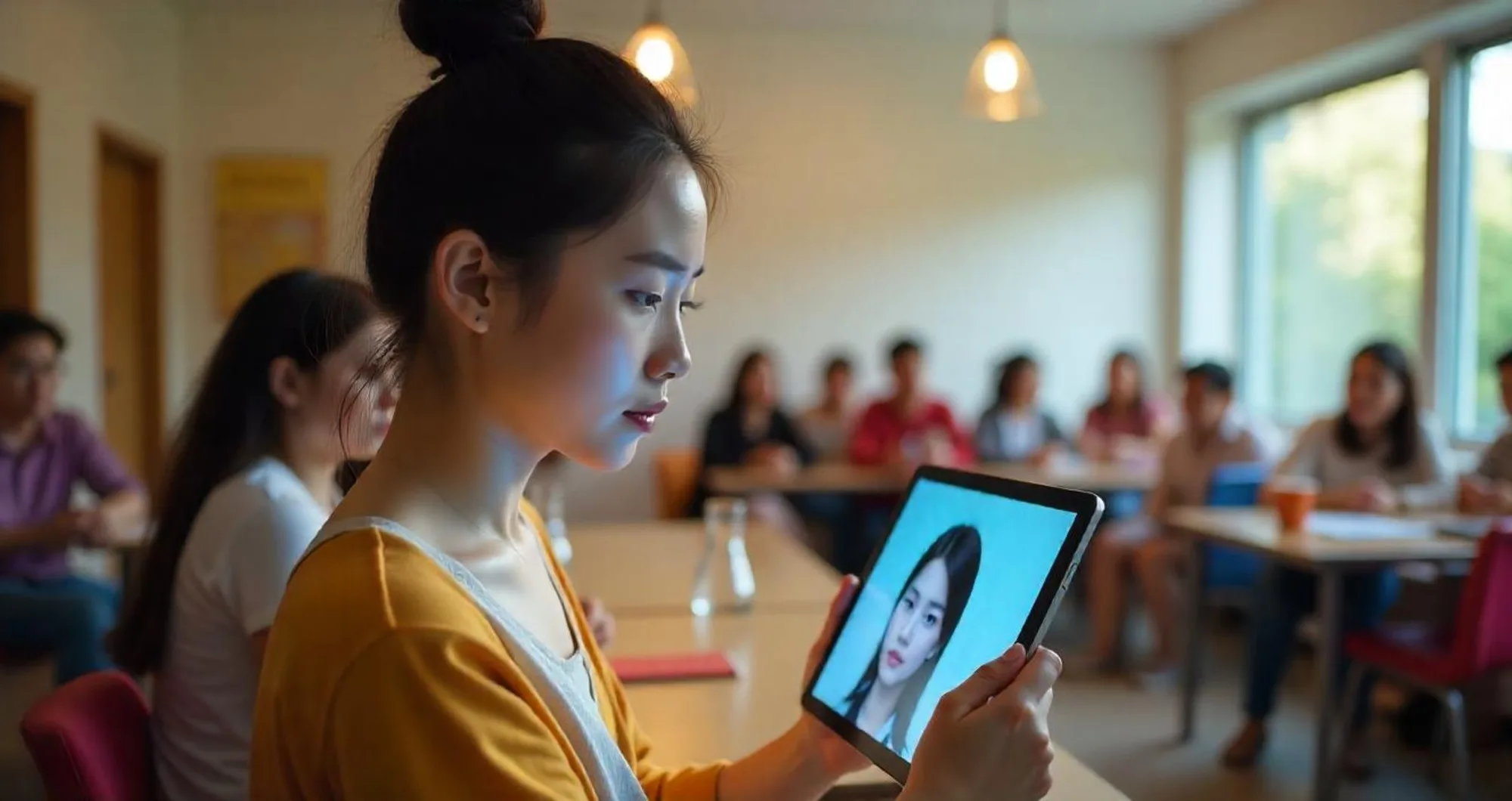
At first, it was only used by tech experts. Now, anyone with a smartphone can use it. There are many apps and websites where users can upload pictures and make face swaps in minutes. Some even allow users to create a full video face swap with just a few clicks, making it even harder to tell what’s real and what’s fake.
How AI Face Swap Affects Trust and Truth
AI Face Swap doesn’t just hurt individuals—it affects society as a whole. In the past, photos and videos were strong evidence. If something is on camera, people believe it happened. But with this, that trust is starting to break down. Now, anyone can ask: Is this real, or is it a face swap?
This loss of trust is a big problem. In politics, fake videos made with it can change public opinion. According to the news, fake images can confuse people or cause panic. Even in courtrooms, lawyers and judges may have to deal with fake videos being used as evidence. In some situations, a video face swap can be convincing enough to frame someone for something they never did, blurring the line between truth and fiction in dangerous ways.
Can AI Face Swap Be Regulated
Right now, laws around AI Face Swap are still catching up. In some places, lawmakers are trying to create rules about how it can be used. For example, a few states in the U.S. have laws that make it illegal to use deepfakes in political campaigns or to create fake adult content without permission.
But such laws are still rare, and AI technology is changing fast. Some experts believe we need new national and international rules to keep up. These could include better privacy laws, more rules about what companies can do with facial data, and stronger penalties for misuse.
At the same time, companies that make their tools also have a role to play. They can add watermarks to fake content, require users to give consent, and prevent certain types of content from being made.
Conclusion on AI Face Swap
AI Face Swap may have started as a fun internet trend, but it has quickly become a serious issue. From privacy to trust, from truth to law, this powerful tool is changing how we see the world. The fun side of it is real—but so are the dangers. We must be smart, careful, and responsible with this technology.
Whether you’re using it for laughs or seeing it in the news, always ask yourself: Is this just a game, or is there more at stake?