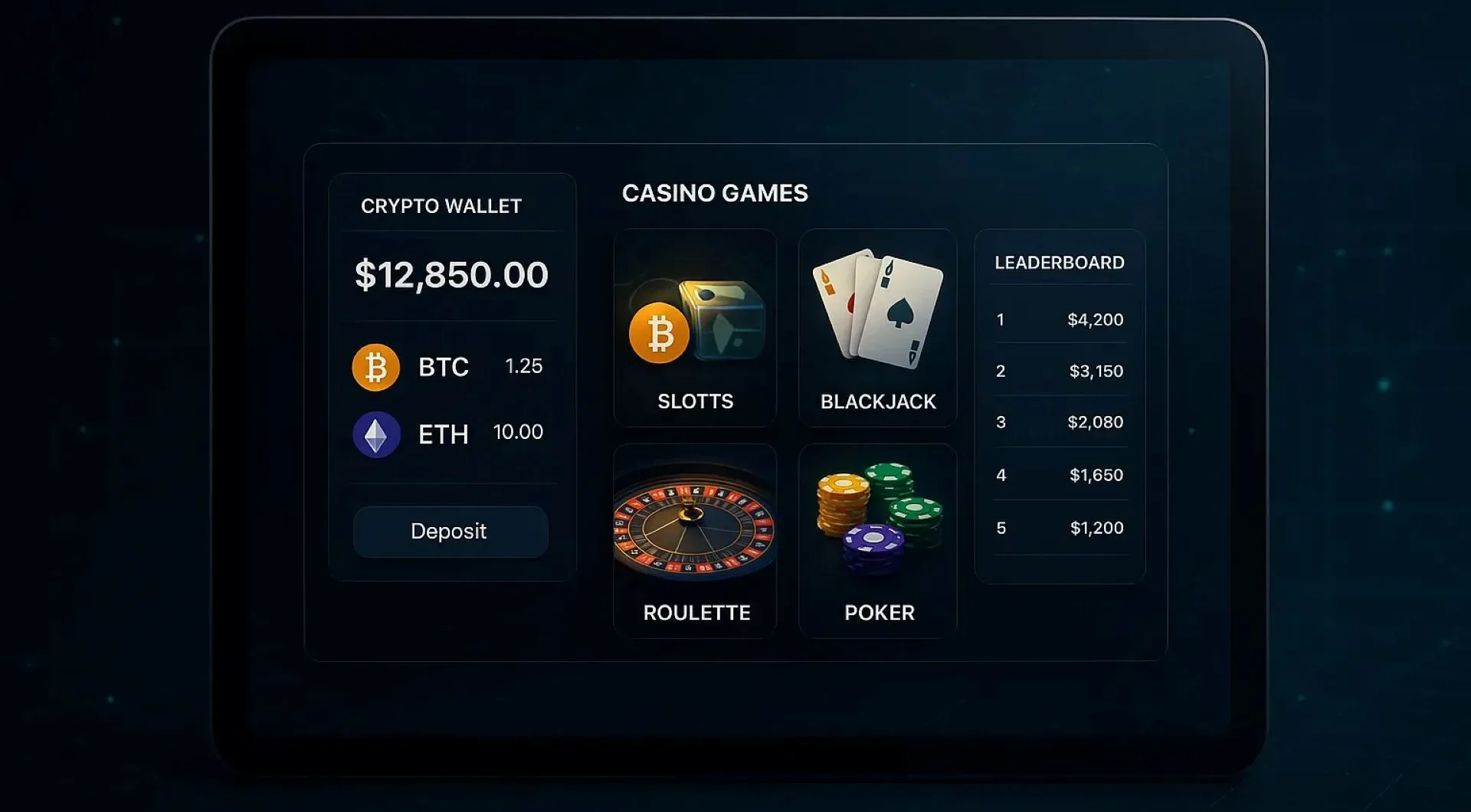

The online casino industry is surging day by day. What once operated in legal grey zones is now becoming more structured, scalable, and trusted. With improvements in global licensing, payment infrastructure, and user engagement, the conditions are right for launching a compliant, profitable, and future-ready casino platform.
A key foundation is choosing robust crypto casino software. This choice shapes how users deposit funds, access games, and benefit from secure, fast transactions.
Why Now Is the Best Moment for Casino Startups
This year isn’t just another chapter in the iGaming playbook—it’s a reset button. Casino operators are seeing unprecedented adoption driven by better mobile technology, cheaper data, and broader acceptance of blockchain-based gaming models.
In regions like Southeast Asia, Latin America, and Eastern Europe, online casinos are no longer niche. They’re full-fledged entertainment platforms, especially with the rise of smartphones that allow users to play on the go.
What’s fuelling this expansion even further is the widespread shift toward crypto-based casinos. These platforms sidestep the slow and often restricted traditional banking methods by offering instant deposits and withdrawals using cryptocurrencies like Bitcoin, Ethereum, and USDT.
To support this shift, recent advances in crypto casino game development have enabled more immersive, provably fair gaming experiences that build trust and engagement.
Legal Requirements: Getting Licensed and Staying Compliant
Before anything else, any legitimate online casino must secure a valid gambling license. This step isn’t just bureaucratic it’s foundational to running a secure, bankable operation.
Leading jurisdictions like Malta, Curacao, the Isle of Man, and Kahnawake have become favoured destinations for casino startups. Each jurisdiction offers different strengths. For instance, Malta brings European market credibility, Curacao offers fast and cost-effective licensing, and the Isle of Man is known for its strict regulatory oversight and banking partnerships.
No matter the jurisdiction, certain requirements are universal. You must implement robust Know Your Customer (KYC) protocols, anti-money laundering (AML) safeguards, and tools that support responsible gaming. These aren’t optional—they’re enforced and monitored by regulators and payment providers alike.
For those exploring entry into the industry, this step-by-step guide on starting an online casino outlines the legal, technical, and operational processes involved, from selecting a jurisdiction to understanding platform infrastructure.
Startups must also consider the tax structure of each region, as well as how well that jurisdiction supports their target markets. The goal is to align licensing with long-term operational scalability.
Software Choices: The Core of Your Casino
Every online casino is only as strong as the software it’s built on. Selecting the right crypto casino software is a decision that determines your platform’s flexibility, performance, and lifespan. Some operators opt for white-label software to launch quickly. These solutions often come bundled with pre-integrated games, payment gateways, and admin dashboards. They can get you to market fast, but may limit customisation and branding control.
For those aiming for long-term profitability and platform uniqueness, custom-built solutions offer a clear edge. Modern frontend frameworks like React.js or Vue.js make for fast, responsive user interfaces. On the backend, Node.js and Laravel offer reliable scalability and high performance. Game development often uses engines like Unity or Phaser.js for animations and real-time multiplayer experiences. Blockchain integration, commonly powered by Ethereum or Polygon smart contracts, supports fairness verification and decentralised features.
When these pieces come together under one backend, you get a casino platform that supports crypto payments, dynamic loyalty programs, affiliate tracking, and multilingual interfaces, all of which are essential in today’s global market.
Designing the Player Experience
Gamers today don’t just want a place to wager; they want a sleek, safe, and fast environment that feels intuitive. Poor UI and slow load times can kill retention, no matter how strong your games are. Modern casino platforms must prioritise mobile-first design. This includes interfaces optimised for touch screens, fast transitions, and responsive layouts that perform equally well on tablets, smartphones, and desktops. Support for multiple languages is now a necessity, not a luxury. Catering to global audiences means accommodating not just English but also Spanish, Portuguese, Hindi, and Arabic often including right-to-left (RTL) formatting.
Other must-haves include simple sign-up processes, secure onboarding, and user dashboards that are easy to navigate. Bonus points go to platforms offering demo game modes, allowing users to try before they commit. A strong user experience directly translates into longer play sessions, higher deposit rates, and better retention.
Payment Infrastructure and Crypto Capabilities
If licensing is the legal backbone, your payment system is the operational heart. Today’s players expect speed, flexibility, and privacy—requirements that traditional banking often fails to meet. Top-performing platforms support both fiat and crypto transactions. That means offering options like Visa, Mastercard, Skrill, Neteller, and PayPal alongside direct wallet payments using Bitcoin, Ethereum, and stablecoins.
The ability to accept crypto is more than a novelty. In jurisdictions with strict or unstable banking rules, it’s a competitive advantage. Crypto allows for instant, borderless payments with low fees and added privacy. But with flexibility comes responsibility. Security features must include SSL encryption, multi-factor authentication, and real-time fraud monitoring. Anti-collusion mechanisms are also crucial in live games like poker or blackjack to ensure fairness and credibility.
Robust transaction logging, smart contract auditing, and compliance alerts should also be baked into your backend from day one.
Revenue: How Today’s Online Casinos Make Money
Running a profitable casino doesn’t rely on just one income stream it’s a combination of several overlapping models. The house edge is core: games like slots, roulette, and blackjack are mathematically tuned to favor the operator. Poker adds another angle, with revenue generated via “rake” a small commission taken from each pot or tournament entry. Premium services like VIP access, exclusive tables, and faster withdrawals can be offered through paid subscriptions. These generate recurring monthly revenue and attract high-value players.
Casinos also earn through in-app purchases chips, avatars, bonus spins, and power-ups which are especially effective in hybrid skill/luck games or tournaments. Finally, affiliate marketing presents a scalable revenue model. By partnering with content creators, YouTube channels, streamers, and review sites, platforms can pay performance-based commissions and reduce upfront marketing costs.
To sustain income, top casinos also invest in keeping users active. That means loyalty programs, leaderboard challenges, seasonal events, and cashback offers all driving higher lifetime value.
Marketing That Works (Without Getting Banned)
Marketing a gambling platform comes with limitations, but those who navigate it well can reach global audiences without penalties. Search engine optimisation remains essential. Targeting long-tail queries like “crypto casinos with fast payouts” or “best online poker rooms 2025” brings in valuable users. Affiliate marketing also works well, especially when structured around revenue-share deals. This model creates win-win relationships with content creators and comparison sites.
Social media remains tricky but not impossible. Channels like Reddit, Discord, and Telegram offer strong communities and discussion-driven discovery. In regions that permit it, programmatic ads can drive visibility, provided they follow local advertising regulations, especially in Europe and the U.S.
Finally, email re-engagement remains effective. Send targeted messages about promotions, new games, and VIP perks to keep players active.
Conclusion
Starting a profitable online casino business is about more than building a website. It requires careful planning, robust tech, and strategic operations. The key is to build with future-proof standards: secure crypto casino software, scalable crypto casino game development, and a solid compliance base. By combining these elements with smart UX, multilingual support, and flexible payments, operators create platforms built for long-term growth.
Today, the iGaming industry rewards forward-thinkers. Those who act now can establish recognisable, trusted brands poised to profit well into the next decade.