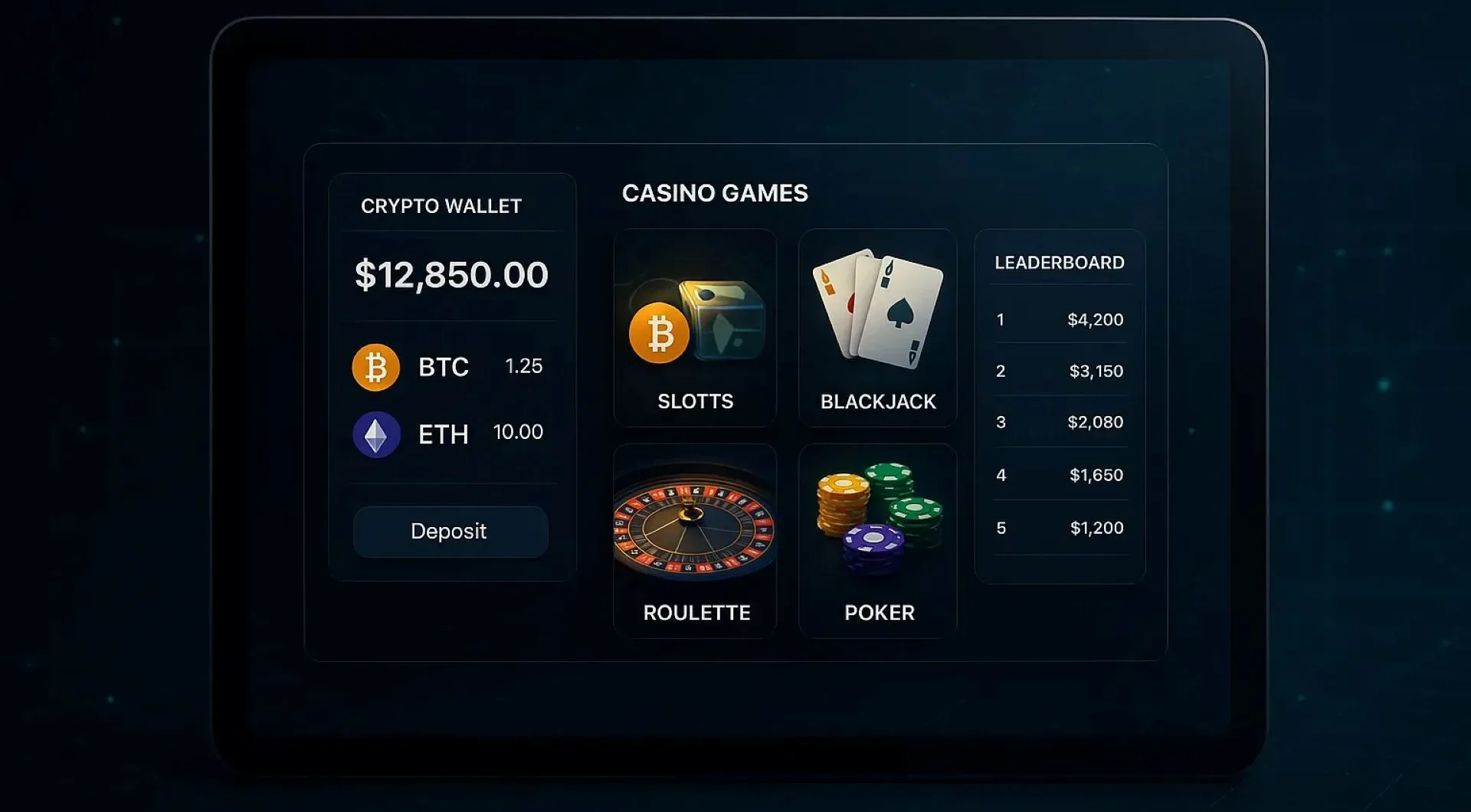

As the online casino industry grows more sophisticated, platform architecture has become a decisive factor in long-term success. Operators are no longer satisfied with preconfigured systems; they need custom-built casino software that supports regional compliance, unique game mechanics, and real-time adaptability.
Modern online casinos are no longer simply launching with standard toolkits. They’re engineering platforms tailored to their growth goals, market strategies, and technical requirements. From frontend personalisation to backend architecture and infrastructure scalability, online casino software is evolving into a more strategic asset—not just a digital storefront.
What Custom Casino Software Offers Operators
Custom online casino platforms provide a different level of control. Instead of adjusting to a fixed set of features, businesses work with developers to shape the experience from the ground up. That includes designing the user interface, implementing complex bonus engines, building multilayer affiliate systems, and integrating real-time analytics.
Operators define their loyalty logic, reporting tools, and even custom authentication protocols. As a result, they gain ownership not just of their brand, but of their infrastructure and data. Rather than waiting for a vendor’s next update, they can deploy changes as needed.
More importantly, custom-built systems are designed to evolve. Whether entering a new jurisdiction or responding to a shift in player behaviour, a flexible backend enables faster iteration without major platform overhauls. To understand how this development process works, you can explore custom online casino software solutions.
Designing for Performance and Scale
One of the most critical aspects of custom casino platforms is backend performance. While a clean frontend draws in users, backend infrastructure keeps them there. Custom software enables precise control over load balancing, data caching, game session management, and payment handling.
Operators can separate core systems like account management, wallet operations, and transaction logging into independent microservices. This architecture improves platform resilience, reduces downtime, and makes scaling easier as user traffic grows.
Performance tuning extends to analytics as well. Brands can implement real-time dashboards that track player behaviour, game trends, and transaction flows. This level of visibility enables quick responses to anomalies, fraud signals, or operational inefficiencies, something increasingly necessary in competitive markets.
Compliance and Localisation from the Ground Up
Running a compliant casino across jurisdictions is not just about adjusting language and currency it requires deep integration of regional rules. Each country or region may have different KYC requirements, data retention policies, taxation models, or restrictions on game content. Custom online casino software is designed to embed these regulatory needs from the start. Operators can tailor onboarding flows, implement modular KYC systems, and isolate or merge data storage based on local mandates.
For example, casinos targeting Europe can enforce GDPR-compliant consent management and implement multi-level ID verification, while those in Southeast Asia might need to prioritise wallet-based payment options and region-specific AML checks. Regulatory adaptability isn’t a luxury, it’s table stakes. Custom platforms provide the infrastructure to meet these standards without retrofitting third-party code. Operators researching the regulatory and infrastructure requirements involved in launching a casino may find this step-by-step guide to starting an online casino useful for understanding foundational processes.
Cost, Control, and Long-Term ROI
Custom development isn’t the cheapest path to launch—but it often offers the strongest return. Operators investing in their own software avoid recurring revenue-share models and gain full independence over future development cycles. Initial costs cover the architecture, feature development, security infrastructure, and testing. But after launch, the system belongs to the operator. Updates, integrations, and expansions happen on their schedule. There’s no dependency on third-party providers to unlock critical functionality.
This also gives operators an edge when responding to market trends. Whether integrating AI-based personalisation engines, adopting blockchain-based payments, or launching branded mini-games, custom systems can absorb these ideas without needing a complete rebuild. Cost transparency and control are often deciding factors for operators serious about scaling.
Infrastructure Flexibility: API-First, Modular, and Headless Capabilities
Today’s online casino platforms are being built like modern web applications: decoupled, modular, and integration-ready. Developers are leveraging API-first designs to make it easier to connect with external systems like CRMs, payment processors, identity verification services, and marketing automation tools. A modular system means features like bonus engines, wallet managers, or reporting dashboards can be upgraded or replaced independently. This architecture avoids downtime when rolling out updates or testing new features.
Some platforms are even adopting headless setups, where the frontend is separated entirely from backend logic. This allows operators to create multi-platform experiences such as syncing mobile apps, web apps, and kiosks through a unified backend. This flexibility becomes a core business advantage as platforms expand into new territories or experiment with differentiated offerings.
Security by Design
As threats against online gaming platforms grow, so does the need for proactive security architecture. Custom casino software lets operators embed security layers directly into the core system rather than depending on generalised vendor protections. This includes:
- End-to-end encryption of player data
- Tokenised transactions and risk scoring for payments
- Multi-factor authentication for both players and admin panels
- Anomaly detection for session hijacking or bot activity
Operators also gain access to audit trails, permission logs, and custom alerting systems. In high-risk regions or large-scale operations, these protections are critical to platform stability and regulatory compliance. Cybersecurity isn’t just a tech problem it’s a trust issue. And trust is currency in the iGaming world.
Platform Trends in 2025 and Beyond
The future of online casino software is being shaped by three major shifts:
- Personalisation through real-time data
Brands want to customise offers, lobby layouts, and push notifications based on player behaviour, not static rules. - Expansion into hybrid ecosystems
Casino platforms are increasingly connecting to sports betting, live dealer games, fantasy leagues, and crypto-gaming—often under one wallet and dashboard. - Cross-jurisdiction compliance and modular rollouts
As more regions open up to regulated iGaming, platforms must deploy market-specific updates without disrupting core infrastructure.
To succeed in this environment, platforms must be architected with change in mind. Agility isn’t just a buzzword it’s how modern operators maintain speed and compliance at scale.
Industry Use Cases and Strategic Positioning
Operators building with custom platforms are showing higher retention rates and better uptime than those relying on packaged infrastructure. They’re rolling out unique loyalty ecosystems, integrating alternative payments like stable coins, and automating user engagement flows using AI.
Some operators are adopting microservices to break their systems into functional components—so they can iterate on marketing, payments, or support workflows separately. Others are layering risk analysis systems that go beyond standard fraud filters, using player-level behavioural data to predict issues before they escalate.
Whether entering mature markets or launching niche platforms, operators are using software design as a growth lever not just a support tool.
Conclusion: Software That Moves With You
In the iGaming industry, software is not a static product it’s the engine behind every transaction, decision, and interaction. Operators that treat platform development as a one-time project often find themselves limited within a year. Those who build with adaptability in mind prioritising modularity, compliance, performance, and autonomy are better prepared for evolving demands.
Custom online casino software offers more than just ownership. It enables strategic control, faster market alignment, and deeper engagement with players. This is the model powering modern digital casinos not because it’s trendy, but because it works.