
Across the UK, a quiet but meaningful shift occurs, where language, culture, and entrepreneurship intersect in empowering ways. Many Spanish-speaking mothers are discovering a new path to financial independence and personal fulfilment by turning their native language into a business.
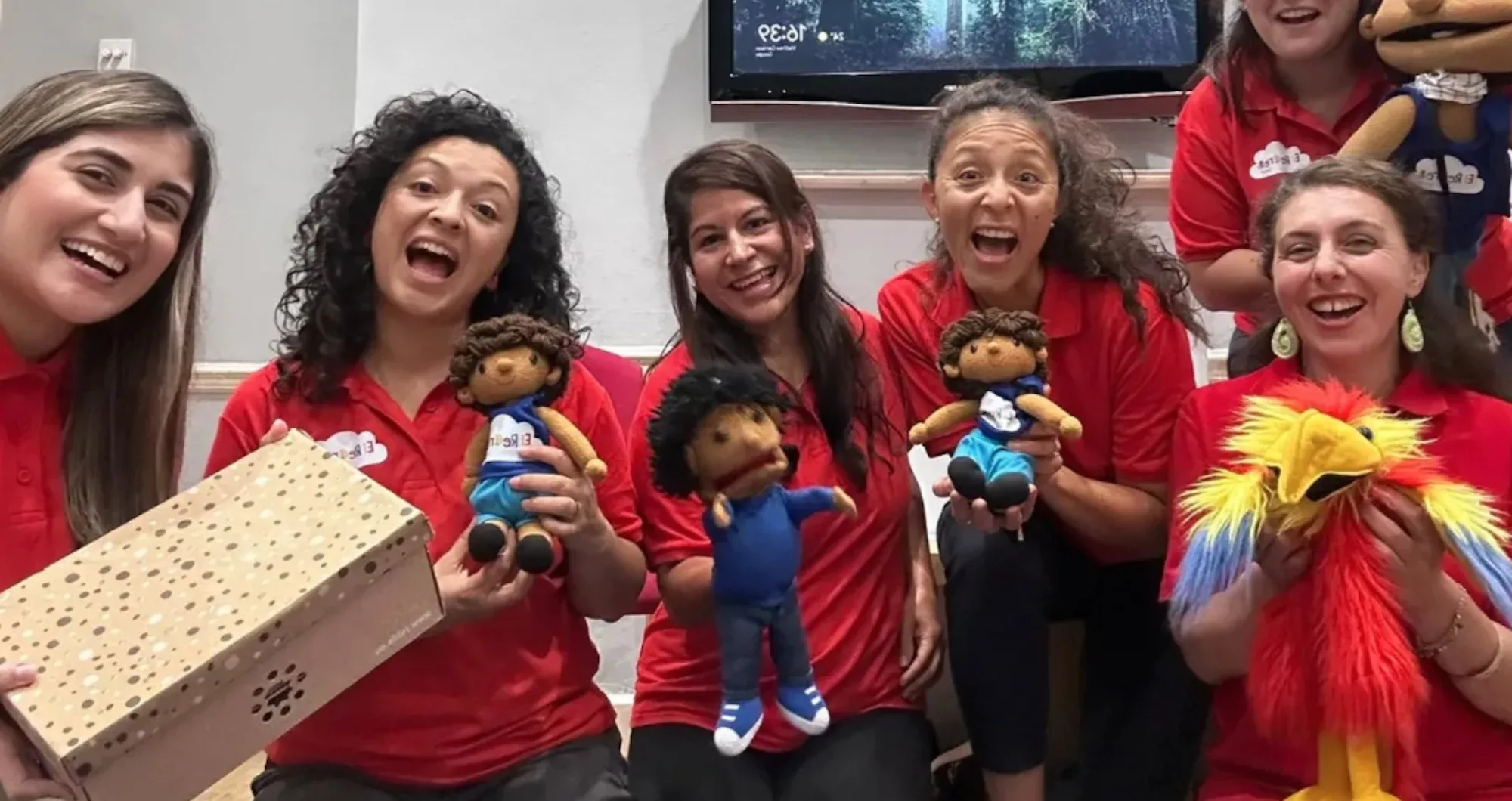
El Recreo Spanish is leading this movement, a bilingual education initiative that enables women, particularly mothers to launch local Spanish language programs for children, teenagers, and adults. These businesses, rooted in community and culture, offer immersive Spanish experiences through songs, storytelling, games, and interactive learning.
This story is particularly relevant to the UK today because of its human-centred approach to entrepreneurship. Rather than focusing on high-growth tech or traditional start-up models, this initiative creates sustainable micro-enterprises that respond to real community needs. In multicultural neighbourhoods across London and beyond, from Greenwich to Bournemouth the desire to preserve the language and pass on cultural identity is finding a new expression through business.
The program’s founder, Milena Jurasz-Cruz, began her journey in South East London. Originally from Colombia, Milena searched for ways to raise her daughter bilingually in an English-speaking environment. What started as a local class for families quickly evolved into a replicable framework that others could adopt.
“It’s not just about teaching Spanish,” says Milena. “It’s about giving mothers — many of whom are immigrants — a structure, a sense of purpose, and a chance to build something meaningful around their identity and strengths.”
A unique aspect of the programme is its emphasis on parent involvement. Families aren’t just dropping off their children for a class; they’re invited into a larger vision of bilingual living. Parents receive guides, tips, and ideas to reinforce language exposure at home — from bedtime routines in Spanish to daily conversations at the dinner table. They are encouraged to learn alongside their children, regardless of their own fluency levels.
This holistic approach is supported by the development of original educational materials, including bilingual activity books, vocabulary resources, and storytelling tools featuring the programme’s friendly mascot, Cirilo. These books — designed by educators — are playful and accessible, helping parents introduce basic Spanish concepts like numbers, greetings, and family members in a way that feels natural and enjoyable.
For many parents, the classes serve as a doorway into a bilingual lifestyle they may have found difficult to create on their own. For the women leading the classes, it becomes a transformative journey — not only as educators, but as entrepreneurs and community leaders.
The dual impact is particularly striking: children benefit from early exposure to another language in a fun, nurturing environment, while their teachers — often local mums — gain income, confidence, and a renewed connection to their heritage. The model supports inclusive entrepreneurship while helping communities embrace bilingualism as a shared cultural asset, not just an individual skill.
In a time when flexible, purpose-driven work is in high demand and cultural awareness is more relevant than ever, this initiative offers a refreshing perspective on what modern entrepreneurship can look like. It isn’t built in boardrooms or tech incubators, but around kitchen tables, community centres, and nursery classrooms — places where many great stories begin.
This grassroots model proves that entrepreneurship doesn’t have to be high-tech to be high-impact. Sometimes, all it takes is a song in two languages, a mother with a mission, and a community ready to learn.