
As the new academic year begins, FindTutors, part of the GoStudent group, has shared expert advice to help parents and students ease back into school life while keeping stress levels low.
The Importance of a Structured Routine
September often brings early starts, tiredness, and loss of concentration, says primary teacher and psychopedagogue Nani Conde. She highlights the value of establishing stable routines, celebrating small achievements, and maintaining open conversations with teachers.
Psychologist and coach Sandra Palo advises parents to make routines engaging by designing colourful, interactive schedules.
“Routines are not a prison, they’re a map that provides order and confidence,” she explains.
Rebuilding Focus and Mental Clarity
Palo recommends starting with short, stimulating tasks like puzzles or word games and ensuring study spaces are clean, quiet, and well-organised.
“Concentration is like a muscle. If you don’t train it, it weakens. If you exercise it, it grows stronger,” she says.
Conde suggests incorporating enjoyable activities such as reading, drawing, and board games into family time while introducing short study blocks of 10–20 minutes with regular breaks to avoid fatigue.
Managing Back-to-School Anxiety
For children experiencing nervousness, Conde recommends focusing on the positive aspects of returning to school, such as meeting new friends and discovering fresh learning opportunities, alongside simple breathing techniques to ease stress.
“Fears are like traffic lights. Sometimes they turn red to make us stop and reflect, but sooner or later they turn green again so we can move forward,” Palo reassures.
Building Confidence and Reducing Academic Pressure
Both experts agree on the importance of prioritising effort over results, recognising small milestones, and avoiding overloading students in the first few weeks.
A GoStudent and FindTutors study highlights how personalised learning and private tutoring can enhance not only academic performance but also self-confidence — helping students adapt more smoothly to the demands of the year.
“Starting the year with additional support – through tutors, mentors or private lessons – reduces uncertainty and builds confidence. In many cases, this early reinforcement is the key to transforming stress into motivation,” explains Albert Clemente, CEO of FindTutors.
According to WHO’s 2024 findings, teenagers are under growing academic pressure while reporting less family support. In response, 40% of European teachers are urging schools to provide emotional management training.
“Students face this month as a period of transition. Routines change, academic and social demands increase, and now they must also adapt to an increasingly digitalised world. Without proper support, it is easy for them to begin the year with insecurity,” Clemente concludes.
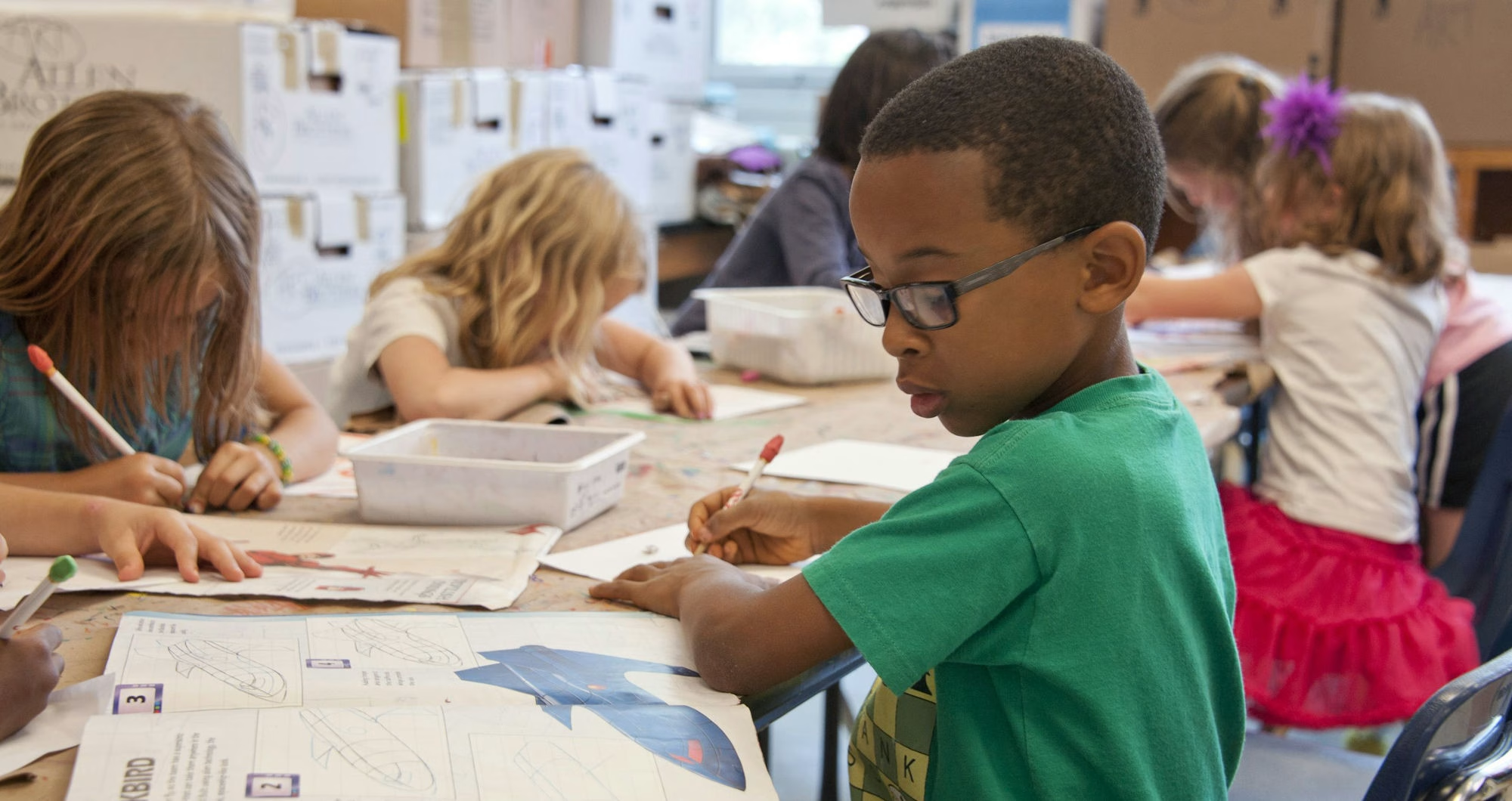
Feature Image Photo by CDC on Unsplash