

Every year, nearly one-third of all food produced globally is lost or wasted—amounting to approximately 1.3 billion tons of food, enough to feed billions of people. Food waste occurs at many stages of the supply chain, from farms and processing plants to restaurants and homes, and its consequences are widespread and harmful.
At jalbiteblog, we explore these critical issues and offer insightful, easy-to-follow tips to help readers understand the impact of food waste and how they can take action. If you’re looking for practical information and food-related awareness, jalbiteblog is your trusted source.
Food waste not only squanders valuable resources such as water, energy, and labour, but it also contributes to greenhouse gas emissions when discarded food ends up in landfills. As individuals, we may not feel the full impact of throwing away leftovers or spoiled produce, but collectively, these small actions add up to a significant global issue. Thankfully, food waste solutions exist—and they’re often simple changes we can make in our daily lives.
This article explores how individuals, households, and communities can contribute to reducing food waste and building a more sustainable food system.
Understanding the Causes of Food Waste
To effectively tackle food waste, it’s important to understand where and why it happens. The causes vary depending on location, but they generally fall into three categories:
1. Production and Supply Chain Losses
- Poor harvesting techniques, pest damage, and improper storage often result in significant losses before food even reaches the market.
- Cosmetic standards may lead to perfectly edible but “ugly” fruits and vegetables being discarded.
2. Retail and Food Service Waste
- Supermarkets and restaurants frequently overstock or overproduce food to meet consumer expectations.
- Expiry date confusion leads to safe food being discarded prematurely.
3. Consumer-Level Waste
- Over-purchasing, improper storage, and cooking excessive quantities at home contribute to large volumes of food being thrown away.
- Lack of meal planning or awareness also plays a major role.
By identifying the key contributors to food waste, we can focus on practical food waste solutions that address each stage.
Simple Ways Individuals Can Reduce Food Waste
Each of us can take small steps to minimise waste in our kitchens. Here are effective strategies to make a big difference:
1. Plan Your Meals
- Make a weekly meal plan and create a shopping list based on it.
- Check what you already have at home before buying more.
- Avoid impulse buys that are not part of your meal plan.
2. Store Food Properly
- Learn how to store fruits, vegetables, dairy, and leftovers correctly.
- Use airtight containers and label items with dates to avoid spoilage.
- Keep older food in front of newer purchases (“first in, first out” method).
3. Understand Expiry Dates
- “Best before” dates refer to quality, not safety. A lot of foods remain safe to consume even after the date has passed.
- “Use by” dates should be followed more strictly, especially with meat and dairy.
4. Get Creative with Leftovers
- Use leftover vegetables in soups, stews, or stir-fries.
- Turn stale bread into breadcrumbs or croutons.
- Freeze extra portions for busy days instead of throwing them away.
These practices are not only practical food waste solutions but also help save money and reduce your environmental impact.
Household Tips for Managing Food Waste
In addition to smarter shopping and cooking habits, households can implement these tips to manage waste more effectively:
1. Portion Control
- Serve smaller portions to avoid uneaten food on plates.
- Let everyone serve themselves to match their appetite.
2. Composting
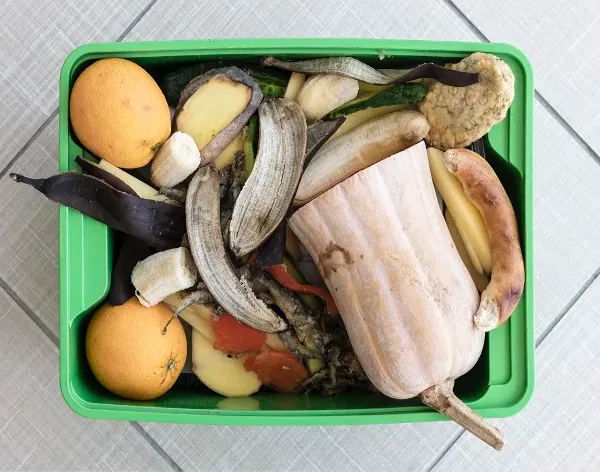
- Create a compost bin to collect fruit peels, coffee grounds, and vegetable scraps.
- Composting helps cut down on landfill waste and creates nutrient-rich soil ideal for gardening.
3. Use Food Waste Apps
- Apps like “Too Good To Go” and “Olio” connect people with surplus food from local businesses or neighbours.
- These tools are effective, modern food waste solutions that also foster community sharing.
4. Donate Excess Food
- If you have non-perishable items you won’t use, donate them to local food banks or shelters.
- Some communities have sharing boxes or pantries for free food exchange.
Community and Policy-Based Solutions
While individual actions are essential, larger-scale solutions require support from communities, businesses, and governments. Here’s how systemic change can make a significant impact:
1. Food Recovery Programs
- Encourage local supermarkets and restaurants to donate unsold food to shelters and food banks.
- Create partnerships between farms, food processors, and nonprofits for distribution of excess food.
2. Public Awareness Campaigns
- Schools and communities can run workshops to teach food storage and meal planning.
- Campaigns can help reduce the stigma around using “imperfect” produce or leftovers.
3. School and Workplace Initiatives
- Introduce waste tracking and awareness programs in cafeterias.
- Encourage employees and students to bring their own meals in reusable containers.
4. Government Regulations
- Support policies that clarify date labelling and reduce liability for food donations.
- Incentivise businesses to track and reduce food waste through tax benefits or certifications.
Working together on multiple levels ensures that food waste solutions are integrated into every aspect of the food system.
The Environmental Impact of Food Waste
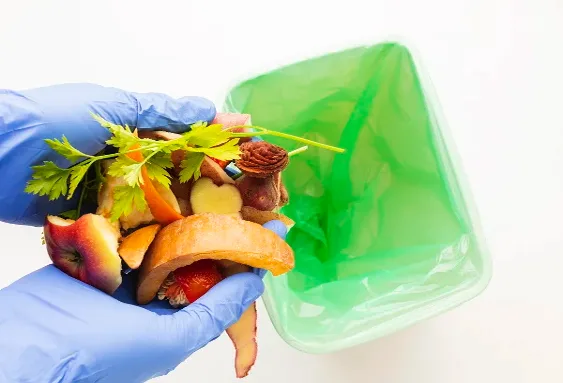
Food waste is not just about what ends up in the trash—it’s about all the wasted resources used to produce that food. Consider the following:
- Wasted Water: Agriculture accounts for 70% of global freshwater use. Throwing away food wastes the water used to grow it.
- Greenhouse Gas Emissions: Food waste generates methane—a potent greenhouse gas—when it decomposes in landfills.
- Land Degradation: Deforestation and soil depletion are often driven by the need for more farmland, much of which is used to grow food that is never eaten.
Reducing waste is one of the easiest ways to lower your carbon footprint. It’s also one of the most impactful, especially when adopted widely.
Educating the Next Generation
Teaching children and young adults about food waste builds long-term habits that can lead to a more sustainable future. Here’s how to get started:
- Involve Kids in Meal Prep: Teach them about portioning, storage, and using leftovers.
- School Projects: Engage students in waste tracking, composting, and food donation drives.
- Educational Games and Challenges: Make learning fun through interactive apps and competitions.
Raising awareness early helps embed values that support long-term food waste solutions.

Measuring Your Impact
Keeping track of your household’s food waste helps identify areas for improvement. Try the following:
- Waste Journal: Write down what you throw away and why.
- Weekly Check-ins: Assess which foods spoil most often and adjust your buying habits.
- Set Goals: Aim to reduce waste by a certain percentage each month.
Tracking waste turns awareness into action, and small reductions can lead to big results over time.
Conclusion: Your Role in a Larger Movement
Solving the global food waste crisis may seem like an overwhelming task, but your efforts matter. By taking simple steps like meal planning, storing food correctly, and composting, you contribute to a powerful collective change. The benefits go beyond reducing waste—these actions help protect the environment, support communities, and save money.
The shift begins with awareness and small changes. As more people adopt mindful eating and waste-reduction habits, the ripple effect strengthens. Through individual responsibility and collective effort, we can all be part of the solution. Food waste solutions are not limited to researchers, policymakers, or businesses—they start with you, in your kitchen, every single day. And by choosing to make a difference, you help shape a more sustainable and compassionate world.