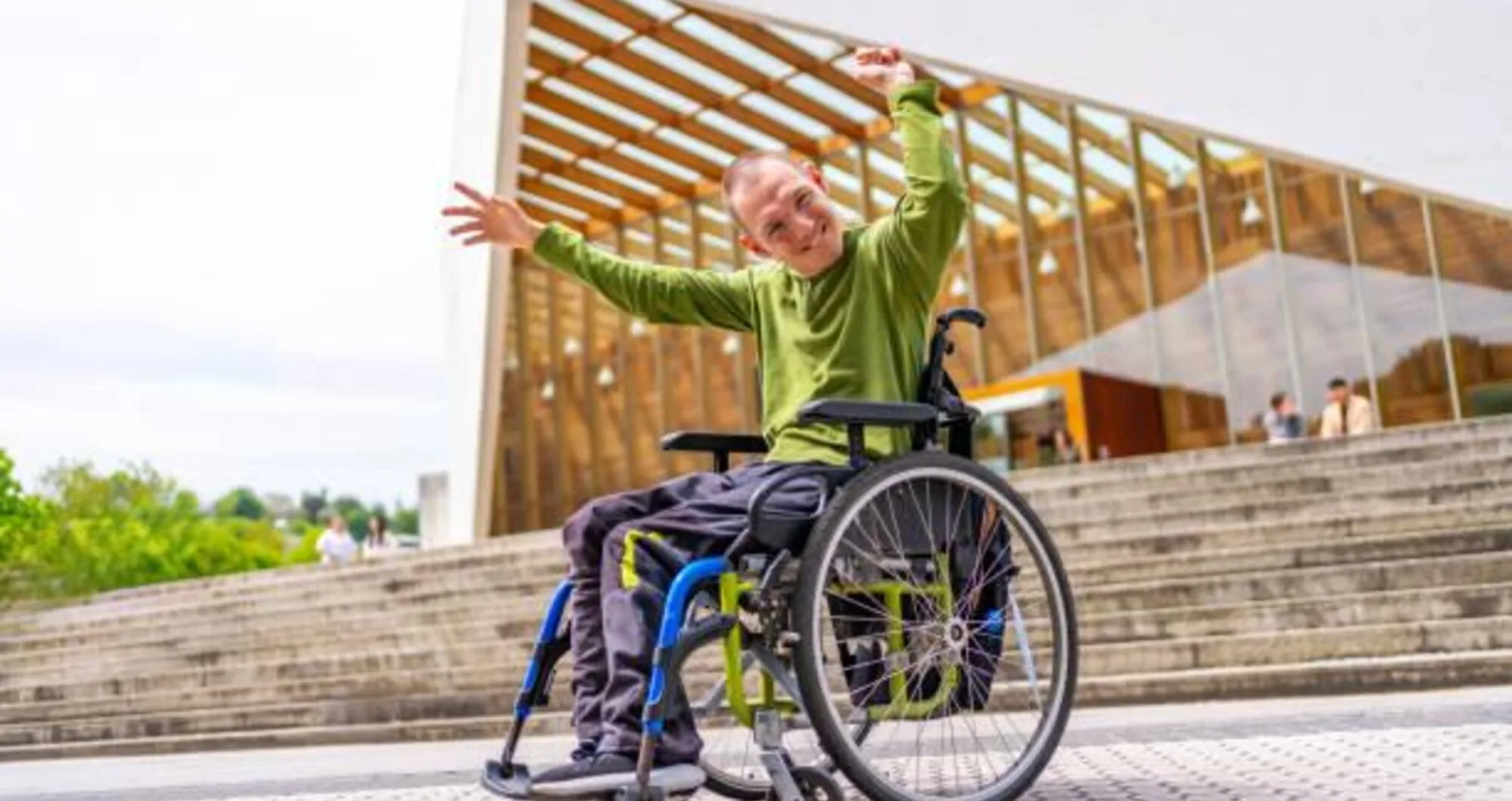

Assistive technology plays a transformative role in improving the quality of life for individuals with cerebral palsy. Cerebral palsy is a neurological disorder that affects movement, coordination, and muscle tone, often making daily tasks and communication challenging. By utilising assistive devices, individuals with cerebral palsy can enhance their mobility, independence, and social interactions, leading to a more fulfilling life.
Importance of Assistive Technology for Individuals with Cerebral Palsy
Assistive technology includes a range of tools, devices, and software designed to support individuals with disabilities. For people with cerebral palsy, these technologies help bridge the gap between their physical limitations and their ability to perform everyday tasks. The right assistive tools can improve communication, mobility, education, and self-care, allowing individuals to participate more actively in society.
Types of Assistive Technology for Cerebral Palsy
Mobility Aids
Mobility aids help individuals with cerebral palsy move more freely and safely. These include:
- Wheelchairs: Both manual and powered wheelchairs provide mobility assistance, allowing users to navigate various environments independently.
- Walkers and Canes: These tools offer additional support for those who have some mobility but need help with balance and stability.
- Orthotic Devices: Braces and splints help with posture, alignment, and muscle control, making movement more manageable.
Communication Devices
Many individuals with cerebral palsy experience difficulty with speech and communication. Assistive communication devices can include:
- Speech-generating devices (SGDs): These electronic tools convert text or symbols into spoken words, enabling individuals to express themselves.
- Augmentative and Alternative Communication (AAC) systems: These include picture boards, symbol-based communication tools, and text-to-speech applications.
- Eye-tracking and Head-pointer Technology: These devices allow communication through gaze or head movements for individuals with limited hand movement.
Adaptive Learning and Educational Tools
Technology plays a vital role in helping individuals with cerebral palsy access education. Some helpful tools include:
- Touchscreen computers and tablets: Easier to use than traditional keyboards and mice.
- Voice recognition software: Helps users control computers and write text through speech commands.
- Switch-activated devices: Allow users to interact with educational software and games through simple button presses.
Adaptive Household and Self-Care Devices
Self-care and independence are crucial for improving the quality of life for individuals with cerebral palsy. Some assistive tools include:
- Modified utensils and eating aids: Adaptive forks, spoons, and plates help individuals eat more independently.
- Dressing aids: Zipper pulls, button hooks, and Velcro fasteners make dressing easier.
- Smart home technology: Voice-activated assistants and automated home controls enable individuals to manage lighting, temperature, and security with ease.
Benefits of Assistive Technology for People with Cerebral Palsy
Increased Independence
Assistive technology allows individuals with cerebral palsy to perform daily activities with greater autonomy. With the right tools, they can move freely, communicate effectively, and complete tasks without constant assistance.
Enhanced Communication and Social Interaction
Communication devices help individuals express their thoughts and feelings, improving their ability to engage with others. This leads to better relationships, increased confidence, and greater participation in social settings.
Improved Educational Opportunities
Adaptive learning tools enable individuals with cerebral palsy to participate in mainstream education. These technologies help bridge the gap between physical limitations and academic potential, allowing students to learn and excel.
Greater Mobility and Physical Comfort
Mobility aids and adaptive equipment help reduce physical strain and discomfort. By promoting proper posture and movement, they also prevent secondary complications such as joint deformities and muscle contractures.
Better Quality of Life
By reducing physical and communication barriers, assistive technology helps individuals with cerebral palsy lead more fulfilling lives. It provides opportunities for employment, education, and social engagement, contributing to overall well-being and happiness.