
Lotteries are available in many countries around the world, but many are unaware that the rules vary on a large scale in their own unique ways.
BoyleSports, home of lotto odds, has looked into lottery systems around the world to find some of the biggest differentiations.
Japan: Takarakuji
Takarakuji is Japan’s national lottery, which is run by local governments or large cities. There are a couple of different types of Takarakuji, including Jumbo Takarakuji, Number Lotteries, and Scratch Cards.
Jumbo Takarakuji is a seasonal event that takes place at events such as the end of the year, with more significant prizes. Some of the other themed draws include summer, dream, Halloween, and Valentine’s jumbo lotteries. The end-of-year Jumbo draw is widely considered the most popular and is actually a tradition in many Japanese families.
The number lotteries, on the other hand, include games like LOTO7, LOTO6, Mini Loto, Numbers 3, and Numbers 4. These games have a similar format to traditional Western lottery games, with players either choosing their own numbers or opting for a randomly selected pick.
Scratch cards work just as you would expect with instant win games, in a very similar way to what you would typically find in the UK or the USA.
Just like in the United Kingdom, the Japanese lottery is also tax-free for winners, which means they are not subject to deductions, unlike many other countries. Another similarity that is found is the contribution to government projects, public welfare, disaster relief and education.
United Kingdom: National Lottery
The UK’s National Lottery is operated by Allwyn UK and regulated by the UK Gambling Commission. Being one of the most popular lottery systems in the world, players can typically purchase tickets for around £2 per play. There’s a wide variety of game options, including online lotto, EuroMillions, Thunderball, and Set For Life.
The lotto game has players choose six numbers from 1 to 59, with winners matching all six numbers and additional prizes being awarded for attempts with 2 or more correct numbers.
Since its establishment in 1994, the lottery has raised over £50 billion for good causes around the UK. The funds are typically shared between health, education, environment, charitable causes, sports, arts, and heritage.
Furthermore, just like Japan’s lottery, Takarakuji, the UK’s is tax-free, meaning winners receive all of the prize awarded in play.
United States: Powerball
Powerball is the American lottery game which is available in 45 states. The first lottery draw was on the 19th of April 1992 by the Multi-State Lottery Association.
The Powerball game works by having players choose five numbers from one to sixty-nine, which are the white balls, and one number from one to twenty-six, the red Powerball. Tickets cost roughly $2, with players also having the option to pay an additional $1 for the Power Play option.
In a similar way to the UK National Lottery, the US Powerball lottery has a rollover feature, which means that the prize grows if there are no winners. The biggest jackpot was in November 2022 in California, and it was a lottery draw of $2 billion.
Also, just like the other lotteries, proceeds help fund state programs, including education, infrastructure, and public health initiatives.
Spain: El Gordo (Christmas Lottery)
El Gordo (The Fat One) is the nickname for the top prize lottery in Spain’s annual Christmas draw of the Loteria Nacional. This lottery draw is annual on December 22nd and is the world’s largest in terms of total prize money. The prize pool is roughly €2.7 billion and is managed by Spain’s state-run lottery body. With nearly three-quarters of the Spanish population taking part in this lottery, it has been deeply rooted in tradition.
The tickets for El Gordo have five numbers, which can range from 00000 to 99999, with tickets costing €200 roughly but this price is almost always sold as fractions costing €20 each. What sets this lottery apart from any other is the sharing of tickets among families, friends, and even entire towns, with the Spanish being famous across the globe for syndicating, turning it into shared entertainment among large groups.
South Africa: Lotto
The Lotto in South Africa is overseen by the National Lotteries Commission, with multiple games being available, including Lotto, Lotto Plus 1, and Lotto Plus 2. In a similar format to other lottery systems, South Africa’s jackpot varies depending on ticket sales and rollovers. Another similar aspect that many will notice is how the South African Lotto has some of its proceeds go towards funding vital projects, supporting healthcare, education, and recreational initiatives that have an impact on millions.
Lotto players choose six numbers from one to fifty-two, with the jackpot awarded to those who match all six numbers. Smaller prizes are also available for those who match multiple numbers but not all.
Summary
From Japan’s traditional family draws to Spain’s community-shared Christmas celebration, lotteries reflect unique cultural values while serving common purposes worldwide. Despite varying rules, like Greece’s debt restrictions or different number ranges across countries, most lottery systems share key similarities: tax-free winnings for players and significant contributions to public welfare through education, healthcare, and infrastructure funding.
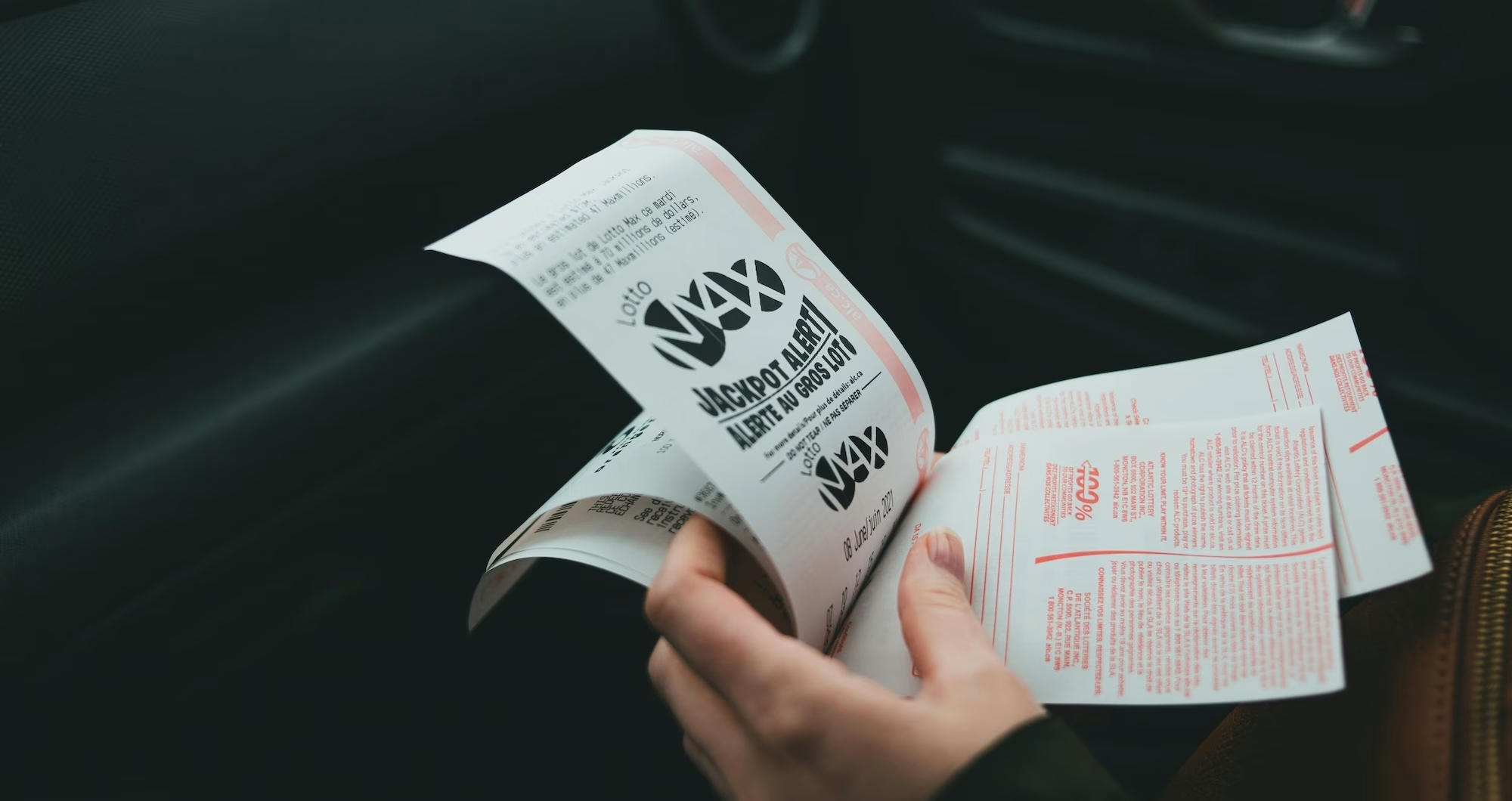
Feature image by Erik Mclean on Pexels.