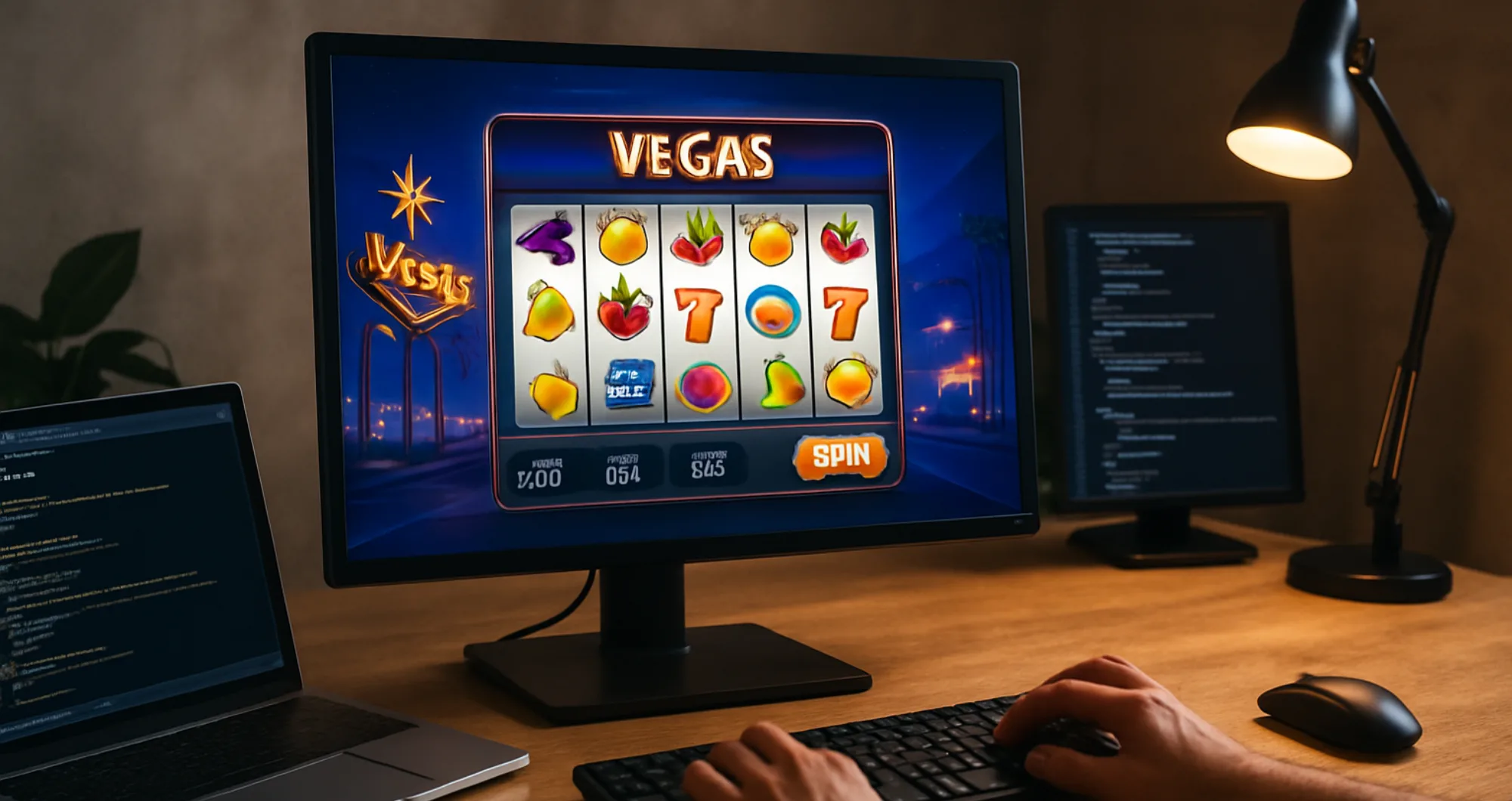

Today, studios and operators have a big decision to make when making slot games: should they construct them as native apps or as responsive, browser-based experiences? Each strategy has its own pros and cons, which is particularly important for enterprises in competitive industries like U.S.-based casino gaming or sweepstakes platforms.
This article looks at the differences between responsive and native slot game creation by comparing the two methods in terms of performance, player experience, monetisation, and scalability. Knowing these things may assist operators and producers of slot games make better choices depending on their target audience, budget, and goals for expansion.
Understanding Responsive Slot Game Development
Responsive slot games are online games that work well on all screen sizes and platforms, such as PCs, tablets, and smartphones. They are usually made using HTML5, JavaScript, and other web technologies that let you play them right in your browser.
Sweepstakes sites and online casinos that want to attract casual customers often utilise this method. Players may start playing right away without having to download an app, which is important for keeping them interested and coming back.
Key Advantages of Responsive Slot Game Development
Get It Right Now Without Downloading: Users start playing right away, which gets rid of the barrier to entry that comes with downloading apps. This is great for games that are free to play or include a prize.
Works on Multiple Devices: A single codebase works on both desktop and mobile platforms, which makes it easier for slot game creators to create and maintain their games.
Less Money Needed Up Front: In the US, creating software for slot games tends to be more cost-conscious. Responsive games are a quicker and cheaper way to get to market.
Updates are Easy: You can push out game repairs or new features right away without needing any help from players. This is very important for keeping players interested.
The Case for Native Slot Game Development
When you design a slot game natively, you make unique versions for each device, usually Android and iOS. You may get these programs via app stores, and they can use all of the device’s features, including as graphics hardware, storage, sensors, and notification systems.
Native applications have a high cost and time requirements, but they provide you more control over how users experience and perform, particularly in games with high-quality graphics or plenty of motion.
Key Advantages of Native Slot Game Development
Superior Performance: Native applications usually load quicker and have better animations, which makes them great for building high-end slot games.
Advanced Graphics and UI Developers: It may use native SDKs to create interfaces that are so realistic that they push the boundaries of device graphics for a smooth experience.
Distribution via the App Store: Even though they are heavily regulated, app stores provide real-money and social casino games a way to be seen and marketed directly.
Ability to Play Offline: Native applications can only do a few things offline, which might help keep people interested and engaged while they’re on the road.
Comparing Responsive vs Native Slot Game Development
When comparing Responsive vs Native Slot Game Development, it’s vital to look at more than just the technical details. You should also think about the end-user experience, the business strategy, and the needs of the area.
| Criteria | Responsive Development | Native Development |
| Accessibility | Browser-based, instant play | Requires app download |
| Device Support | Works across all devices | Platform-specific (iOS/Android) |
| Development Time | Faster due to single codebase | Longer due to platform fragmentation |
| Performance | May lag in graphics-heavy games | High-speed rendering and animations |
| User Engagement | Easy entry, lower commitment | High engagement once installed |
| Maintenance | Easy centralised updates | Separate updates per platform |
Responsive platforms are better for firms who want to make slot games for online sweepstakes since they reach more people and are simpler to use. If the goal with slot game development for sweepstakes online is to attract high-stakes gamers or provide them a great visual experience, however, native could be the better long-term choice.
Factors to Consider When Choosing a Development Path
Target Market and How People Use Devices: Knowing if the target audience likes mobile applications or games that run in a web browser will help you choose the proper strategy.
Budget Constraints: Responsive games are cheaper to make and keep up with, so they’re great for new businesses or test launches.
How complicated is the game? A native environment could be preferable for advanced animations, 3D features, or extensive logic.
Things To Think About With Regulations: Different regions have different rules for gambling and sweepstakes in app stores, which might make it harder to distribute apps.
Plans for the Future and Scalability: If the long-term plan is to incorporate AR, VR, or deeper connections, native development could provide you more space to be creative.
The Hybrid Approach: Best of Both Worlds?
Some operators are now using a hybrid methodology for developing slot games. This means making games that are responsive and can also work in native wrappers. This lets you use app stores to distribute your program while still keeping the freedom and cost savings of developing in a browser.
This methodology works especially well for developing slot machine software in the USA, where operators typically have to find a compromise between following the rules and providing a front-end experience that can grow with the business. Slot game developers that use this method may send out updates using web code and yet have native-like features like alerts and the ability to play offline.
Final Thoughts
It’s not only about the coding when you choose between Responsive vs Native Slot Game Development. You also need to make sure that the technology fits with your company objectives. Responsive games are fast, cheap, and have a wide reach. Native applications, on the other hand, provide players a better experience and more technological options.
TRUEiGTECH offers tailored slot game software development in USA for both responsive and native development whether you’re thinking about starting a slot gaming platform or moving into the sweepstakes sector. TRUEiGTECH makes sure your gaming experience is ready for the future by having a lot of experience in making slot games, scalable infrastructure, and feature-rich design.
Contact us immediately to get TRUEiGTECH’s cutting-edge development services to help you release your next slot game.
Feature Image by Bruno from Pixabay