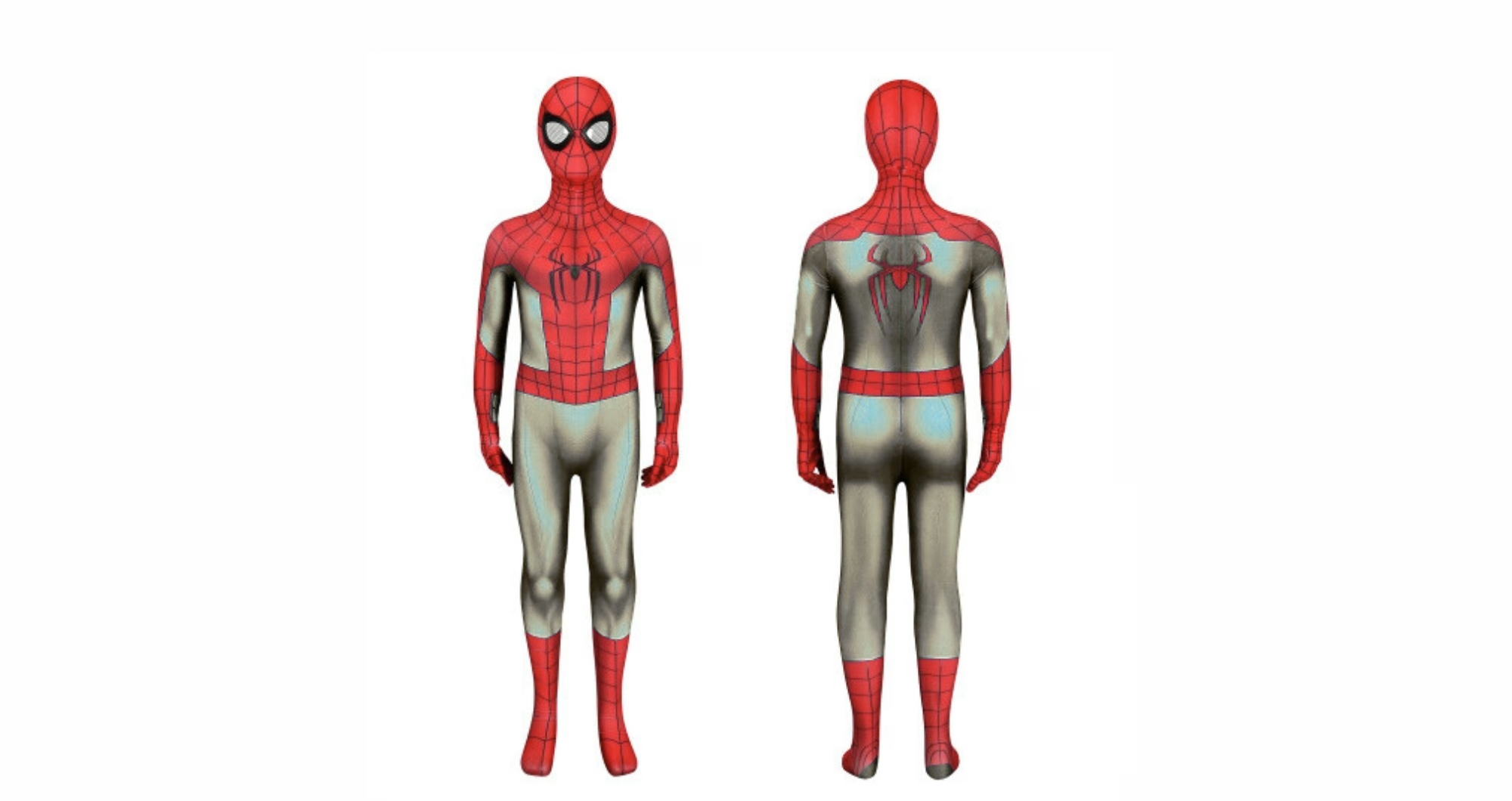

Why Spider-Man Remains the Most Cosplayed Hero
Walk into any comic convention and you’ll almost always spot a crowd of Spider-Men. From the classic red-and-blue suit to the sleek black Symbiote version and the countless Spider-Verse adaptations, his costumes dominate cosplay floors.
For cosplayers, wearing a Spider-Man costume isn’t just about putting on a bodysuit—it’s about stepping into Peter Parker’s courage, humour, and relatability while connecting with a fandom that spans generations.
Once you decide to become the Friendly Neighbourhood Spider-Man, the challenge begins: costumes range from entry-level suits at about $50 to premium custom builds reaching $400 or more, depending on fabric, construction, and customisation. Some look amazing online but tear after two wears; others are durable enough for years of conventions. If the options feel overwhelming, many cosplayers turn to consolidated shops such as unibuyplus.com, where you can compare classic, MCU, and game-inspired designs side by side.
Quick Guide: Choosing Your Spider-Man Costume in 1 Minute
If dozens of variations make your head spin, use this three-step filter to narrow things down.
1) Match the Occasion
- Comic-Con or large events: Classic red-and-blue or MCU Homecoming suits stand out instantly.
- Photoshoots: Symbiote black or Scarlet Spider create dramatic contrast.
- Stage performances: Reinforced suits with stretch fabrics and hidden or U-shaped zippers are more durable.
- Family cosplay: Lightweight, kid-friendly versions keep children comfortable and happy.
Choosing the occasion first keeps you from overspending on features you’ll never use.
2) Set Your Budget
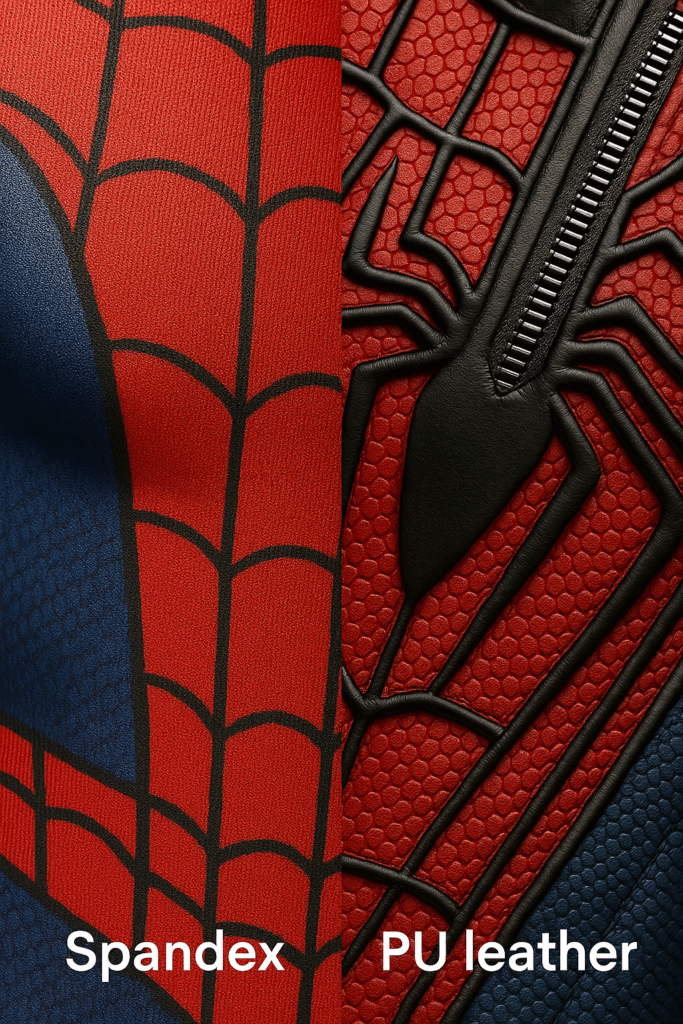
- Printed Suit (50–100 USD): Elastic polyester or spandex-Lycra blends with flat printed graphics. Smooth finish, lightweight, and beginner-friendly—ideal for kids and newcomers.
- Silicone-Printed Suit (150 USD+): Elastic base with silicone overlay that creates raised webbing and textured logos. Popular for Spider-Man, Homelander, and Superman. Durable, photo-ready, but slightly warmer to wear.
A clear budget narrows your options and helps you compare Spider-Man suits by material and finish.
3) Pick Your Style
Comic-book inspired, screen-accurate MCU, or game-based? Each has its own vibe.
Classic versions work for broad appeal, while game-inspired suits highlight unique details. If you want to browse a wide selection of Spider-Man costumes—from classic to movie to game-inspired—simply click here.
Picking a style early ensures your look matches the Spider-Man version you want to bring to life—in photos and in person.
Materials & Craftsmanship: How to Spot a Quality Suit
Once you’ve set a budget, the next step is understanding what makes one suit last while another falls apart. Fabric choice, seam work, and mask construction all impact both appearance and comfort.
Which fabrics last longer?
- Printed suits: Lightweight and breathable with flat graphics. Affordable, but less realistic up close.
- Silicone-printed suits: Raised webbing and logos deliver screen accuracy. More durable but trap more heat.
Why seams and stitching matter
Flatlock seams (“4-needle/6-thread”) reduce irritation and last longer under stress. Reinforced areas at shoulders, crotch, and underarms are critical for mobility.
Zippers & closures
- Back zipper: Clean look but often requires assistance.
- U-shaped zipper: Adds flexibility and makes bathroom breaks manageable.
Logos, lenses, and breathability
Aligned chest emblems and web lines indicate higher craftsmanship. Magnetic lenses with anti-fog treatment improve comfort. Mesh panels near the nose and mouth prevent overheating during conventions.
User takeaway: Don’t just judge by colour or photos. The details—stitching, zippers, ventilation—are what separate a one-day costume from a long-lasting cosplay investment.
Popular Spider-Man Suit Styles: Find the Version for You
- Classic Red & Blue: Timeless, recognisable, and beginner-friendly.
- MCU Homecoming & Far From Home: Sharp details and modern colour blocking for movie fans.
- Symbiote Black Suit: Sleek and dramatic, especially under stage lighting.
- Scarlet Spider: Red bodysuit with blue hoodie—casual but high-impact.
- PS4/PS5 Game Suits: Unique textures and emblem variations that celebrate the games.
Pro tip: These are among the best Spider-Man cosplay suits you’ll see at conventions worldwide.
Accessories & Upgrades: From “Looks Like” to “Looks Spot-On”
- Face shell + magnetic lenses: Maintain mask shape, prevent fogging, allow quick swaps.
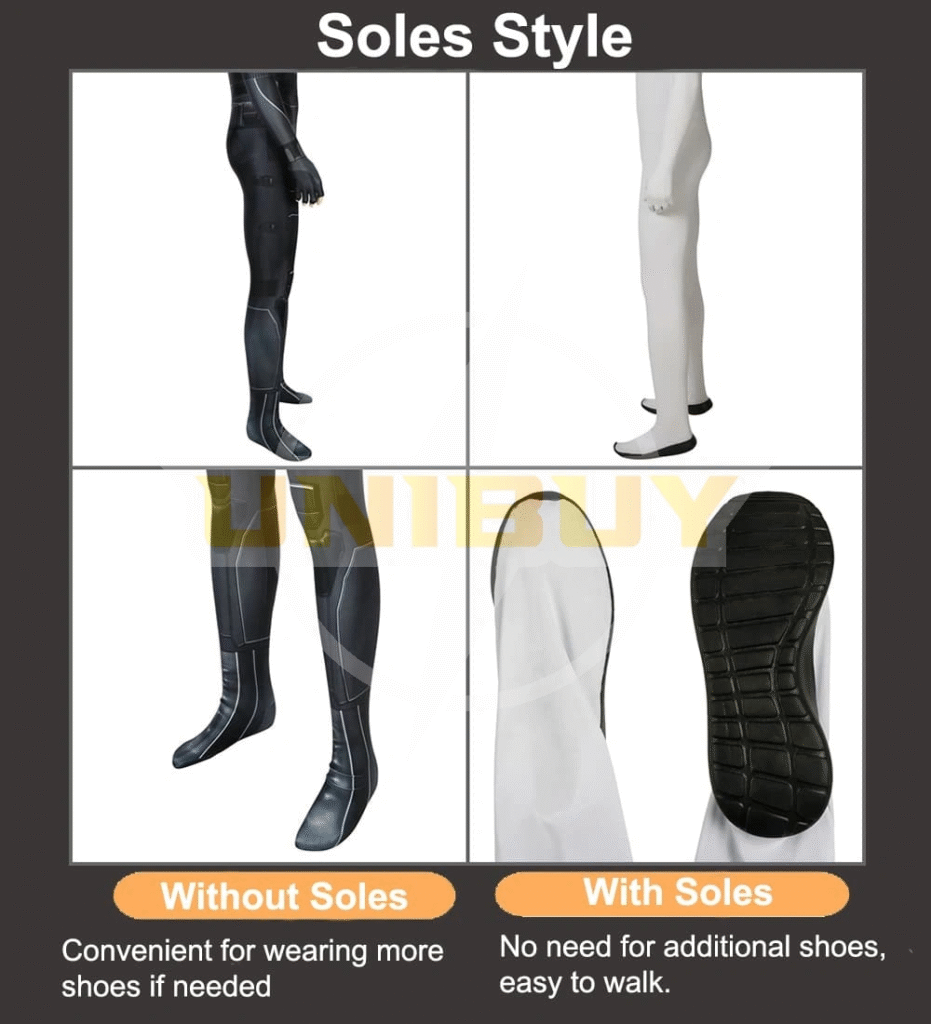
- Built-in soles: Improve comfort and safety during all-day wear.
- Gloves, web-shooters, belts: Affordable props that enhance realism in photos.
- Advanced tweaks: Raised webbing, puff paint, or subtle padding for a comic-style physique.
Invest in comfort upgrades first—breathability and soles—before purely cosmetic tweaks.
Sizing & Fit: How to Avoid the Common Pitfalls
Measurements to check
- Chest, waist, hips: snug but not restrictive.
- Torso length & inseam: critical for mobility.
- Arm/leg length and neck circumference: prevent choking collars.
Standard vs. custom fit
- Standard sizes are fine for casual wear.
- Custom sizing is worth it for long conventions and active posing.
Common pitfalls
- Foggy mask → fix with ventilation + face shell.
- Tight seams → look for stretch panels or consider tailoring.
- Restricted mobility → test squats, lunges, and turns before buying.
Notes for different wearers
- Women: Consider bust allowance and supportive underlayers.
- Kids: Ensure visibility, safety, and breathability.
Budget & Buying Advice: Match Your Suit to Your Needs
By now, you’ve seen the categories. Here’s how to match them to your situation:
- Entry-level (Printed suits): Best for beginners who want affordability and comfort.
- Mid-range (Silicone-printed suits): For fans seeking screen accuracy and durability without going full custom.
- Premium/custom (Material-based builds): For serious cosplayers who want moulded parts and layered details for professional-grade looks.
Timing tip: Printed suits ship in 2–3 weeks; custom builds may take 6–8+ weeks. Order early for big events.
Buying pitfalls to avoid
- Don’t judge by photos alone—look for real-user reviews.
- Confirm what’s included: soles and face shells are often sold separately.
- Be cautious of ultra-cheap listings—they usually mean poor stitching and short lifespan.
Why this matters: Many cosplayers underestimate shipping time—planning ahead ensures your suit arrives before the big convention.
Care & Maintenance: Make Your Suit Last Longer
- Washing: Hand wash in cold water with mild detergent; avoid dryers.
- Storage: Hang or roll in a garment bag; avoid sunlight.
- Quick fixes: Fabric glue for loose threads, wax for zippers, reinforce stress points.
- Convention kit: Safety pins, tape, scissors, lens cloth, and an undersuit for comfort.
FAQ: Cosplayers’ Top Questions
Q1: Is the mask uncomfortable for long wear?
A: Fabric masks collapse and trap heat. A face shell keeps shape, improves airflow, and supports magnetic lenses.
Q2: How to prevent lenses from fogging?
A: Use anti-fog spray, magnetic lenses, and mesh ventilation near the nose/mouth.
Q3: Which type of Spider-Man suit is best for long conventions?
A: Printed suits are breathable but limited in realism. Silicone suits look sharp but run warmer. Premium builds with soles and ventilation are the most comfortable for all-day events.
Q4: Do I need to wear something under the suit?
A: An undersuit or compression layer helps with sweat control, comfort, and prevents transparency under bright lights.
Conclusion: Why We Keep Swinging Back to Spider-Man
Spider-Man’s enduring appeal comes from his relatability and iconic look. Every suit—from the classic red-and-blue to the Symbiote black—offers cosplayers a way to step into the hero’s shoes, even for a day.
By reviewing your occasion, budget, and style, and paying attention to fit and craftsmanship, you’ll find a costume that not only looks right but feels right. Once you pull on the mask, you’re not just wearing a costume—you’re stepping into the role of the Friendly Neighbourhood Spider-Man.