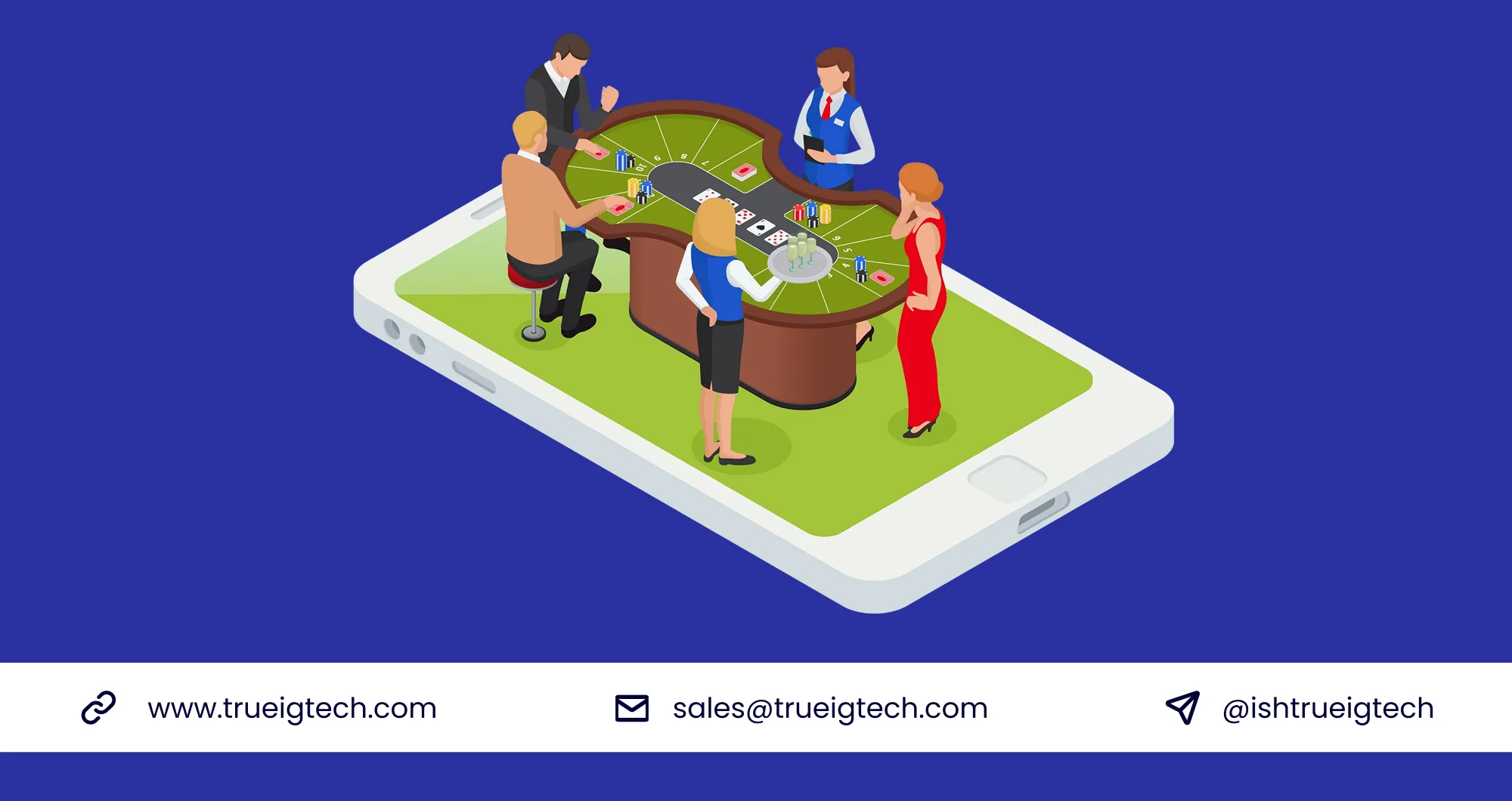

Creating games has always represented an amalgamation of art and science. Thanks in large part to the digital revolution, this form of entertainment is now more engaging than ever before. This is excellent news for the latest generation of players who expect nothing but the best, and for developers hoping to capitalise on recent trends.
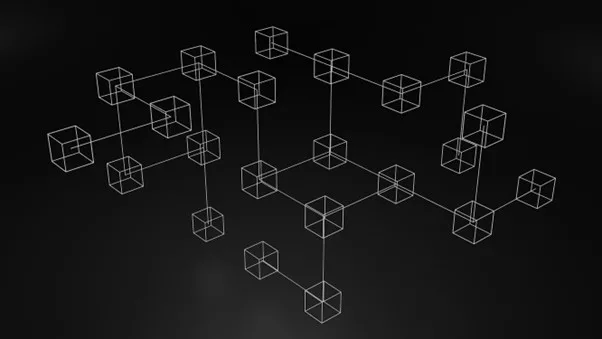
Blockchain technology is especially relevant here due to the ways in which it continues to transform the iGaming sector. Let’s take a quick look at how publishers and creators are leveraging this unique decentralised method of handling information.
Streamlining Solutions
The best way to emphasise what the blockchain has to offer is to employ a real-world example. We will imagine that an individual wants to play casino games in Ontario by registering with an authorised online provider. However, he or she is also concerned about digital security. This is perfectly reasonable when we remember that instances of fraud and data theft are on the rise. The good news is that the brand in question offers cryptocurrency payment options as an alternative to standard fiat transfers. Thanks to the transparent nature of the blockchain, private information will remain safe at all times. Let’s also remember that the blockchain supports lightning-fast payment options; yet another selling point for the casino in question.
The Tangible Side of the Blockchain
The blockchain has also begun to impact the ways in which new games are developed. One primary example involves the use of NFTs (non-fungible tokens). Often thought of as a type of in-game “currency”, NFTs allow players to own digital items, and even to use these assets when performing virtual transactions. For instance, casinos will sometimes offer NFTs (known as meme coins) to members. These coins can then be used to obtain additional rewards such as cash, or free spins. Many feel that digital ownership represents the next major paradigm shift in online gaming.
A Lucrative Partnership
We now come to another important question. How is the blockchain affecting the relationship between publishers and creators? The flexible nature of these systems provide numerous ways to transform a concept into a reality; especially when referring to the NFTs mentioned in the previous sector. This is the very same reason why creators and publishers have been working in tandem to create the so-called gaming metaverse; an immersive world associated with both augmented reality (AR), and virtual reality (VR). Without becoming overly technical, blockchain technology helps to bridge the gap between what can be conceived by creators, and what can be published by developers.
There are nonetheless several hurdles that may still need to be overcome. Perhaps the most relevant involves mainstream acceptance by the average consumer. Users need to be aware of the associated advantages; even if they do not possess a working knowledge of how the blockchain and Web3 technology actually function. Either way, the future of the iGaming community is looking increasingly bright.