
Technology is moving faster than ever. Every year brings new tools and innovations that change the way we live, work, and connect. Some technologies are already part of our daily lives, while others are just beginning to make their mark. In this blog, we will explore five key innovations that are shaping the future and creating opportunities for a smarter and more connected world.
1. Artificial Intelligence (AI) in Daily Life
Artificial Intelligence (AI) is no longer a concept from science fiction. It is now a part of everyday life. From virtual assistants like Siri and Alexa to AI-powered chatbots on websites, this technology is everywhere.
Businesses are using AI to provide better customer service, predict trends, and automate tasks. In healthcare, AI helps doctors diagnose diseases faster and more accurately. In education, AI personalises learning, making it easier for students to succeed.
As AI continues to improve, we can expect even smarter homes, personalised shopping experiences, and efficient workplaces.
Key Points:
- AI-driven virtual assistants
- Predictive analytics in business
- AI in healthcare and education
2. Remote Work and Virtual Collaboration Tools
The pandemic accelerated the shift to remote work, but virtual collaboration tools have made it possible to stay connected from anywhere. Platforms like Zoom, Microsoft Teams, and Slack have changed how teams communicate and work together.
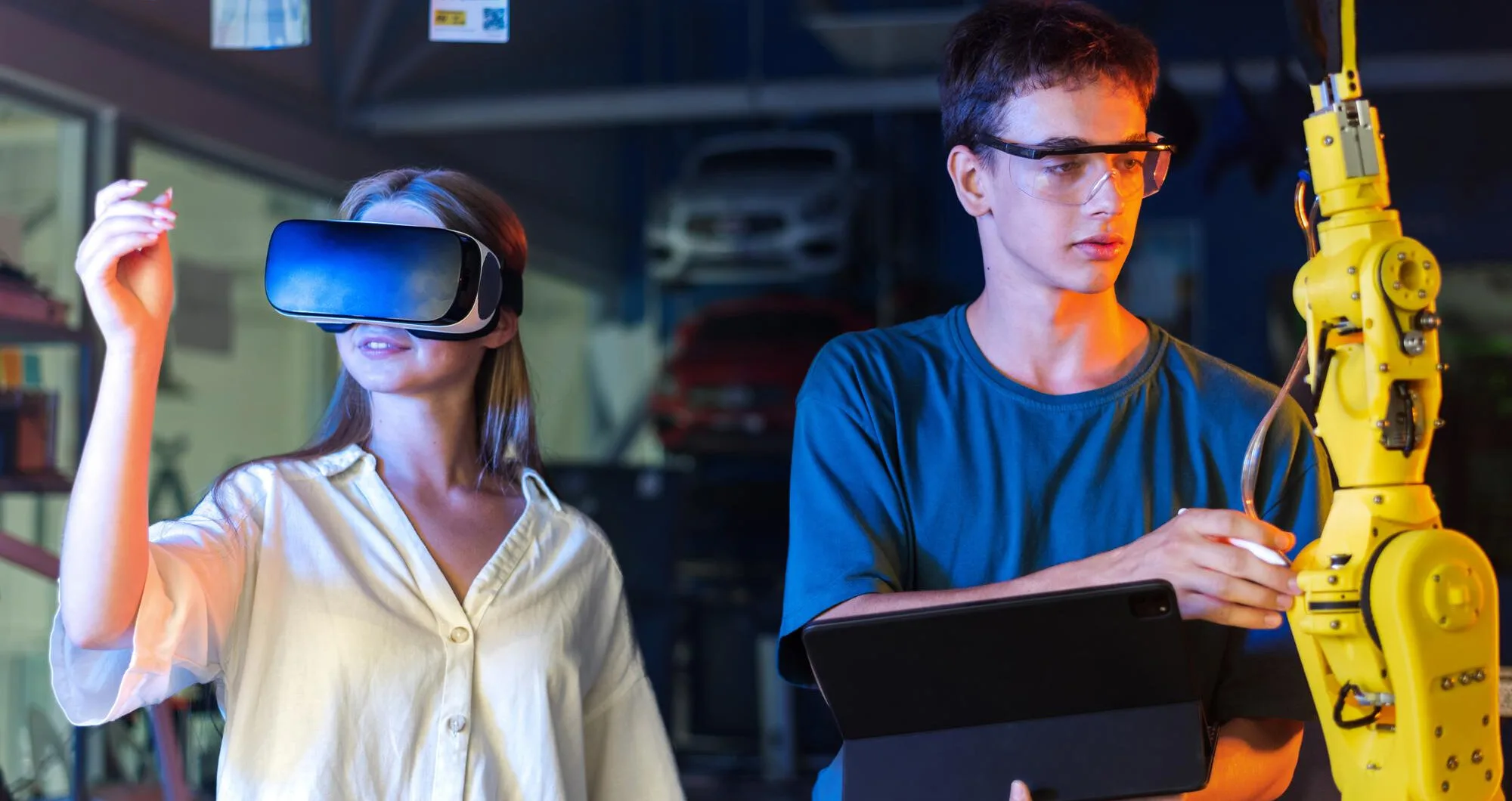
Companies now hire talent from around the world without needing a physical office. Virtual reality (VR) meetings and immersive workspaces are also becoming popular. These technologies save time, cut costs, and open doors for flexible work lifestyles.
Key Points:
- Rise of remote work
- Growth of virtual collaboration platforms
- Emerging virtual reality workspaces
3. Internet of Things (IoT) and Smart Living
The Internet of Things (IoT) connects everyday devices to the internet, allowing them to collect and share data. Smart thermostats, security cameras, refrigerators, and wearable devices are just a few examples.
Smart homes make life more convenient by automating tasks like adjusting temperatures, turning off lights, or even ordering groceries. In industries, IoT helps monitor machinery, manage inventory, and improve efficiency.
Key Points:
- Smart home devices
- IoT in industries
- Improved convenience and efficiency
4. 5G Technology and Ultra-Fast Connectivity
5G is the next generation of mobile networks. It offers faster internet speeds, lower latency, and more reliable connections. With 5G, downloading large files, streaming videos, and playing online games become smoother than ever.
This technology also drives innovations like autonomous vehicles, smart cities, and telemedicine. It opens new opportunities for businesses, healthcare, education, and entertainment.
Key Points:
- High-speed mobile internet
- Boost for smart cities and autonomous vehicles
- Improved telemedicine and remote learning
5. Renewable Energy and Sustainable Technologies
Sustainability is a global priority, and technology is helping drive positive change. Solar panels, wind turbines, and energy storage solutions are becoming more efficient and affordable.
Smart grids manage energy use more effectively, reducing waste. Innovations like electric vehicles and green building materials are shaping a cleaner, greener future.
Key Points:
- Growth of renewable energy sources
- Smart energy management
- Eco-friendly innovations in transport and construction
Tomorrow’s tech is not just about flashy gadgets; it is about real solutions that improve lives. From AI to renewable energy, these innovations are reshaping how we live, work, and connect with each other.
Staying informed about these changes helps individuals and businesses adapt, grow, and thrive in a rapidly evolving world. The future is here, and it is full of exciting possibilities.