
Namche Bazaar is an attractive village and with fields of buckwheat and barley usually along the trail to Everest Base Camp. When trekking to Everest Base Camp with a Sherpa, you can expect a well-organised journey that combines the thrill of high-altitude trekking with the wisdom and expertise of someone deeply connected to the region and its traditions.
Your Sherpa guide will be at your side from the beginning, ensuring every aspect of your trip is safe, rewarding, and meaningful. A guide with deep experience of the land is apparent right from the start. The trail to Base Camp can be arduous, with steep climbs, treacherous paths, and capricious weather. You would expect then that a Sherpa’s knowledge and familiarity with such terrain is unparalleled and would help to ensure that you do not get into potential danger but make your journey as smooth as possible.
EBC Trek Difficulty Another major advantage of having a Sherpa guide as an integral part of your team is that he puts great emphasis on acclimatisation. As you climb into the high Himalayas, the air gets thinner and altitude sickness can be a concern; accordingly, he makes sure that your schedule is adjusted to the needs of your body to ensure against illness, taking rest days at critical points during the trek. He is also familiar with your condition and sensitive to detecting signs of altitude sickness as they arise-which can mean the difference between making a successful trek and facing serious danger.
In addition to the physical aspect, trekking with a Sherpa carries with it the incomparable experience of becoming part of ‘real life’ in the Everest region and its deep spirituality. Sherpas are not merely guides, they belong to the very fabric of the Everest area, with strong spiritual bonds to the mountains. As you move through villages, monasteries, and prayer flags, your Sherpa will tell stories about why these mountains are sacred and what the Buddhist traditions in this region are all about. This cultural assimilation gives trekking a profound meaning that never would have existed if it were just an accident of geography.
Each day of trekking brings challenges and rewards. Your Sherpa will lead you across the exertions of each step and bring encouragement, assurance and comfort to help ward off fatigue throughout the entire journey. By their endurance and optimism the group remains motivated each day, so that as you progress closer to Mt. Everest Base Camp every morning you may be sure this sight will still be one that takes your breath away.
In the final result, trekking to Everest Base Camp with a Sherpa is more than simply reaching the destination. It is an unforgettable adventure, thanks to the cultural insight and safety that Sherpas offer throughout the journey. At the same time that trek becomes a growing experience for you personally which cannot but bring back fond memories, and leaves behind a deep quartz or gems of wisdom from remote areas like the Himalayas into your soul.
Introduction: The Importance of Sherpas on the Everest Base Camp Trek
Sherpas are an essential part of the Everest Base camp trek. Throughout the journey, they provide safety, support, and at the same time a glimpse into local culture. The mountainous Khumbu region of Nepal is where Sherpas come from. They are born to lead trekkers through tough terrain and climate extremes. While Sherpas are known for their outstanding endurance and Himalayan geography expertise, they are more than just guides. If you want to attempt the trek to Everest Base Camp safe and sound then they are your only hope. By taking care of altitude sickness, negotiating tricky trails, and keeping the progress of the trek on track, Sherpas play an absolutely necessary part.
Submission. In addition to your physical skills, Sherpas can also offer cultural experiences to make the trek more meaningful. Sherpas convey their deep knowledge of the area’s history, religion, and customs. They enable trekkers to attain a greater sense of reality about the mountains. They are skilled in detecting early signs of altitude sickness, knowing the dangers of high-altitude treks and the necessary safety measures to avoid them. It is with their leadership and expertise that one has a safe as well as enjoyable pilgrimage on foot into the towering Himalayas of Nepal.
Before You Trek: Preparing Yourself for The Journey Ahead
Before you start on the Everest Basecamp trek, it is necessary to make preparations of several different kinds, both physical and psychological. Physical preparation is essential for success on this high-altitude trail trek; one must be able to walk several hours each day over varied and changing terrain. Cardiovascular conditioning with activities such as running, cycling, and hiking is vital for stamina building. Legs and core area strength exercises will be of assistance equally, particularly for steep ascents. For trekkers not used to living up high, the next best thing would be to live in regions that are mountains or hills in order to simulate the conditions of high ground and cold temperatures.
A large part of mental preparation is important. The Everest Base Camp trek can put a lot of pressure on your mind, especially when the weather is uncertain, when you’re also physically tired and the slow pace compelled by altitude allowance takes away all speed from walking. Tourists must prepare themselves mentally for this, be patient, and thoroughly warm up their bodies before each stage of the journey.
Gear is also important and collecting the right gear makes the trek far more comfortable and safe. Items include good boots that can take a lot of punishment, layered clothes to keep the temperature right, sticks for walking or trekking poles, a sleeping bag rated down to minus fifteen degrees, and personal hygiene items such as toothpaste and soap for washing things or sterilizing water before drinking them. Pre-trek preparation helps to ensure that trekkers are both mentally and physically ready for their adventure.
Meeting Your Sherpa Guide
Expertise and support on arriving in the Everest region, the tourists will meet their Sherpa guide, a key person who will provide expert support throughout the journey. Given their intimate knowledge of the terrain, altitude challenges, and weather patterns, Sherpa guides are absolutely essential for walking the Everest Base Camp trek. Over the years of assisting travellers a good many Sherpas add not only technical expertise but cultural and emotional support to the journey. Sherpas ‘local knowledge makes sure that trekkers take the least risky and most beautiful paths, avoiding danger and at the same time finding all available opportunities to wander about and appreciate hidden jewels of the region.
The primary responsibility of a Sherpa leader is ensuring the safety of his trekking companions. They also take care of logistics, make sure everyone stays at their own pace, and give attention whenever someone in the group feels unwell. Most importantly, acclimatization is an essential part of this work. They understand that slow and steady progress prevents altitude sickness. They’re specialists in this matter, and you can’t get through the Khumbu Valley without their help. Sherpas also help to introduce trekkers to local cultural traditions and religious practices. This includes putting expeditions in touch with native Sherpa inhabitants. Their natural friendliness makes the Sherpa people seem even more approachable and leads trekkers right into the heart of the region. In the process, this warmth and hospitality give a deep sense of belonging to people walking through Spice Lane or Kathmandu’s Thamel area today. Meeting your Sherpa guide, you encounter the entire experience. They help you feel safe, supported, and enthused about completing the trek. Such uplifting support can not be had elsewhere.
Trekking Routes: High Points and Landmarks
The Everest Base Camp trek offers a varied and breathtaking path winding through the heart of the Himalayas. From Lukla, the first task is to cross a bridge and enter the virgin rhododendron forest. Trekkers pass many such easy ups and downs in their unforgettable and energy-giving walks. It’s just across the Dudh Kosi River, “Milk River” in Nepali. Attach your carabiner to a short rope and cross the smooth stone cobbled causeway. Then on through land spokes inter-spoked with ready-colored prayer flags – poles nearly to break with their multi-colored cloth streamers flapping in the wind. Sherpatemba Style Tea Lodge “One of the first comfortable inns on this trip,” writes McGovern who has already been trekking this autumn from Jiri. Named after the nearby village – Kase Tsum, includes 16 rooms with bathrooms, a parlor, and a dining room. Meal costs are very reasonable and we have established an excellent reputation here. There are no food shops in this village, so remember to stock up on crackers for your boxes when returning to your own country (not just trekking trails). Thus luxury Trail versions do not have porters at the moment but that merely makes things difficult for medical reports. Phakding is one of the places where travelers can rest after hiking till midnight. Then with trains and buses from Green Point, this route trip takes in such highlights as Swayambhunath (Monkey Temple) and nightlife in Durbar Square. Entertainment becomes more relaxed too as the hike is over for starlets waxing lyrical in tea shops or venues where VCR will play show tapes like nightclubs In New York City. The latter is also where you will debate with ten locals about whether or not Sir Ed should be allowed back on Manaslu as your phone battery dies under heavy snow. The path then takes you to Namche Bazaar, the bustling market town and capital of Sherpa banana co-op Capex. Today trekkers have two nights ‘ rest here, first for acclimatization and second to cash in some chips before another icon encounter.
The route to Everest Base Camp
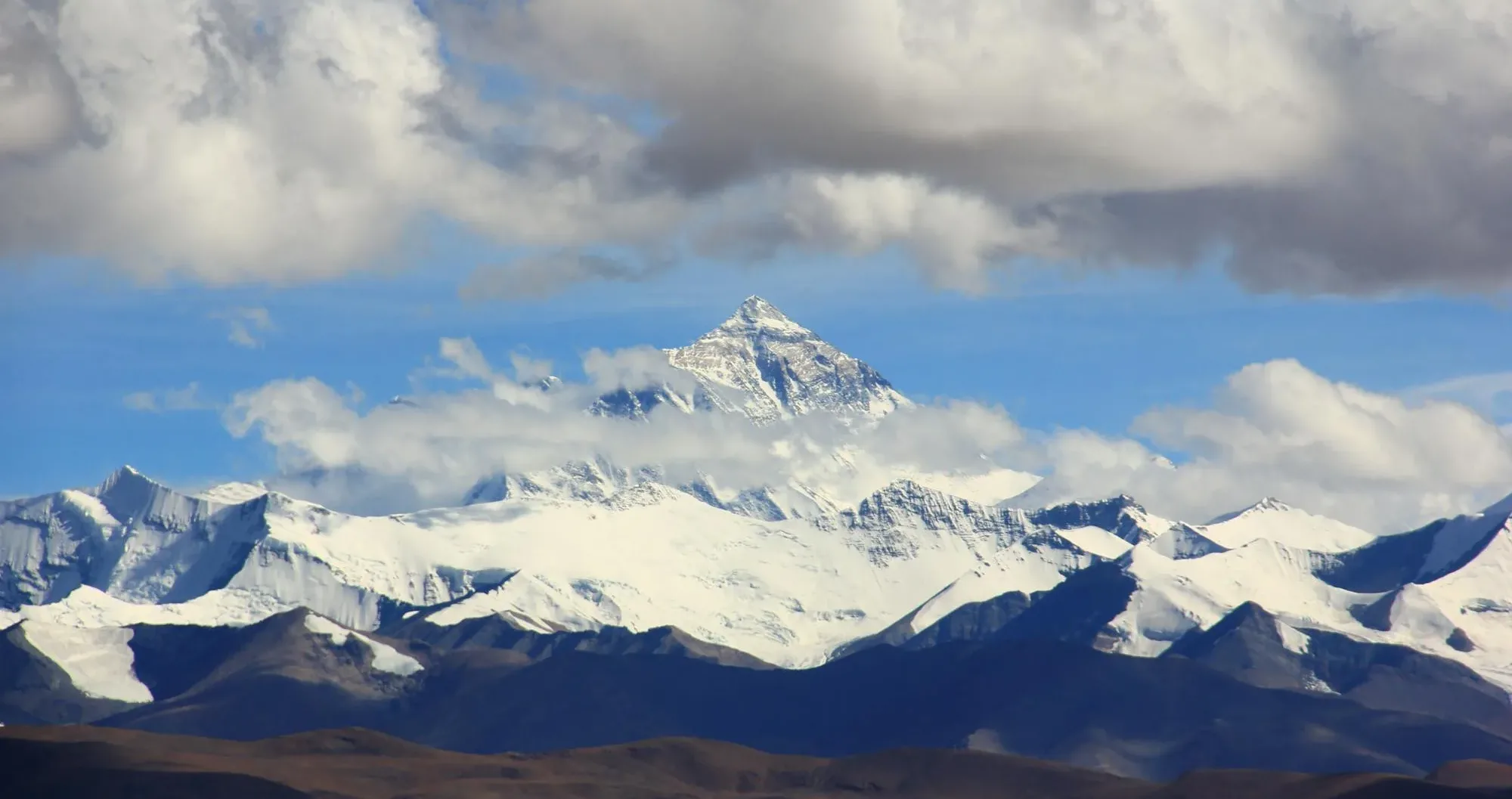
Everest Base Camp Trek Duration From Namche, the trek moves on to Tengboche with its famous Tengboche Monastery perched dramatically in the hills. students, there are treated with fine views of Everest, Lhots,e and Ama Dablam. Moving on from Tengboche one reaches Dingboche and Lobuche in turn, each more remote than the last and also one unforgettable mountain panorama after another. Its final destination is the breathtaking sight of Everest Base Camp at 5,364 meters and 17,598 feet. It offers those on the trek a chance to see the highest peak in the world from close at hand. As they head toward the destination, trekkers also have a chance to trek up Kala Patthar, a mountain across from Everest that provides a panoramic view of the highest peak in the world and its smaller neighbors. The route to Everest Base Camp is not only demanding physically but is also hugely rewarding. It provides some of the finest landscapes on the face of the earth.
How Sherpas Help You Acclimatize to Altitude
Acclimatization is a key factor in trekking to Everest Base Camp, and Sherpas play a crucial role in this part of the process. It is well known that as the terrain climbs higher so do the chances for altitude sickness increase. Sherpas, who are native to the region and have long lived at high altitudes understand the importance of a gradual climb to prevent that terrible sickness. They help trekkers by setting a pace that allows the body to adapt to less oxygen in its environment.
For millennia, inhabitants of the high altitudes in the Tibetan plateau and Himalayas have grazed their animals in summer moving the animals lower down in winter. Gradually they have become very efficient hill walks hiring people to carry their goods or youngsters who cannot carry heavy loads but can be relied on for less arduous jobs such as fetching water due to their higher speed. It’s customary now for all yak and sheep farmers to hire well-trained but nameless few locals as their ‘Shenpa’. Furthermore, even Hokuboering Balltiger lies at an altitudinal height of over 3,500 meters, although the altitude above sea level is 6,150 meters. The raw cold pricks. The cold stones beneath your feet bring a chill. To put it colloquially if there’s ever been a place in Sichuan Province far closer to heaven than here upon these unnamed plateaus and spurs it must be Hell itself! People born in these ‘mountaineers’ habitats ‘ would make this their heaven on earth. Every June herdsmen mount in the “Eighteen Arhats” area of Jibulong. As the weather begins to warm, they move up to their families ‘hovering village.’ Pradesh was there aforementioned as a Tibetan. NoSuchElementException
The added cultural experiences with each new day are an ongoing source of delight for maiden climbers. Throughout the villages such as Namche Bazaar and Tengbo really find out about how Sherpa people live traditionally while mixing with locals- visit monasteries. yarship on Sherpa people’s terms with nature!, where tourists stay for the night(better than in tents). Rest here can be properly taken and all trekkers take the chance to have a hearty hot meal together. A little closer to Everest each day, another grand view of other peaks–a feast as all who trek on year after year can testify from their own experience. Between the physical exertion and change in scenery due to locations one is hiking through, trekking to Everest Base Camp is one that will never be forgotten for its daily carry.
Sherpa Hospitality: A Unique Cultural Experience
Everest Base Camp Trek Preparation A unique cultural experience One of the most rewarding things about trekking to Everest Base Camp is the warm reception that the Sherpa people give visitors. Sherpas are known for their friendliness, generosity, and tightly knit communities, and this hospitality plays a key part in shaping our trekking experience. The trek sees trekkers welcomed into Sherpa villages and teahouses where they are treated not just as guests, but as part of the Sherpa family. Sherpas often share their customs, passing on fascinating insights into their rich cultural heritage Buddhist practices, and the origin of daily routine in these mountain communities. In these villages, trekkers are invited to share traditional meals such as dal baht (lentil soup rice ) and momos (dumplings ), all made from local ingredients. The warmth of Sherpa hospitality comes through in how they give of their time, ensuring that trekkers are comfortable and looked after every step along the way even in remote highland spots. This sense of connection is one of the unique cultural experiences on the Everest Base Camp trek. Sherpas not only take trekkers through to base camp, but they also introduce them to a culture and way of life that is closely tied to spirituality (zen), creating an unforgettable deeply personal journey.
Overcoming adversity: The Sherpa handle
Everest Base Camp Trek presents many kinds of difficulty, but the Sherpa experience ensures you are prepared to deal with them. One of your Sherpa guides’ most crucial pieces of advice will be to not rush. The trail to Base Camp involves a considerable altitude gain, so walking rapidly can make you exhausted or lead to altitude sickness. Sherpas are adept travel companions in high-altitude terrain and know when to press on and when to stop for rest breaks in order for proper acclimatization. You should also be prepared to ask your questions: No need for privacy, talk directly with your Sherpa at any time. That little mental support from your friend the guide will help you over many hard spots indeed. Their words or silent presence complete what you have begun; only man himself can finish up his own battles Shapely English translation: If the Sherpas showing August Alleyways and talking tactics win games even from hopeless positions, then we can be sure of making it–sure all these psychological battles will be won. So They will often advise trekkers to take frequent breaks, not only to rest physically but also to soak in the incredible mountain scenery. As you proceed, another important tip from your Sherpa guide will be to be very mindful of your health. If you do not feel well, it is imperative that you inform him immediately because they have received a great deal of training to recognise symptoms associated with high-altitude sickness and take appropriate action. At other times, Sherpas offer mental support with a few words of cheer, letting The trekkers know that ahead lies Everest Base Camp. Timely and efficient advice from them helps you both overcome physical obstacles and retain your composure.
Everest Base Camp Trek Adventure Sherpas are absolutely necessary to support the successful, safe trek of trekkers to Base Camp; at these altitudes, Sherpas’ deep experience in both terrain and treacherous high-altitude conditions makes it vital for your safety. One of the main concerns undergoing this trek was acclimatizing. was ascending to higher altitudes, at which point the risk of altitude sickness grew. Sherpas set up a major effort to ascend trekkers in stages, with strategic rest days in key points, letting the body adapt to increasingly thin air.
Sherpas are trained to notice signs of altitude sickness as soon as they appear, such as dizziness, headaches, or shortness of breath, and will act fast if problems arise. They also have a basic supply of medical medicines and procedures for emergencies, which can make the difference between life and death in case an emergency occurs. Sherpas are the acknowledged masters of navigating the trails on Everest, which can be rocky, icy, and dangerous. They guide trekkers safely across the tricky ground, and tell them which way accidents will happen -all with no trace at all (footprints left behind) After their common sense is over, they will usually begin the next logical action in a split second. With their common sense and actual help, Sherpas also give trekkers emotional support so they keep calm. For example, when faced with particularly difficult sections of the trek this is invaluable. With their long years of experience and dedication to your betterment Sherpas make sure that you have all the help which is necessary for a safe and healthy journey.
Reaching Everest Base Camp: The Final Stage of the Journey
Finally to reach Everest Base Camp feels like the fulfilment of an arduous and rewarding pilgrimage.” After days of walking through the picturesque Hwakok Valley, dark forests, and little villages that look as if they belong in a picture book, trekkers finally arrive at base camp, an altitude of 5,364 meters (17,598 feet). This last part of the trek is physically tough: the altitude is beginning to tell, and the ground gets rougher too. But the view of Everest’s tall peak to your left, looming there in the distance for extra inspiration as it were. Your Sherpa guide will give you encouragement and look after your pace in this final part, making sure you rest well and drink plenty of water. The final ascent to Base Camp is often marked by the sight of the Khumbu Icefall, a fetching and forbidding glacier. And now, as you reach Base Camp the spirit of achievement swells inside you. It is an intensely personal victory, the realization of a dream held for many years by lots of trekkers like yourself. Base Camp gives you the rare chance to take in the grandeur of the mountain, surrounded by its mighty brothers and sisters, the Himalayas. Your Sherpa guide will explain the importance of this place to you, and how it serves as the starting point for climbers attempting to reach the top of Everest. Standing at Everest’s threshold, surrounded by the Himalayas in all their majesty, is both a moving and unforgettable experience.
The Emotional and Physical Rewards of the Trek
The trek to Everest Base Camp is a test of physical and mental endurance, but the rewards are immeasurable. Physically, trekkers are subjected to challenges like ascending to high altitudes, crossing rock fields, and trudging through long days of walking. The sense of achievement upon reaching Base Camp, after having overcome all the physical fatigue and altitude challenges, is a very deep feeling. It’s to feel like you’re pushing your limits and also showing yourself that you’re up to it. It’s about expressing one’s strength and resilience under one of the most famous treks in the world. Emotionally, the rewards are just as great. The climb to Everest Base Camp is both a journey and a destination. The bond formed with fellow climbers and the Sherpas’ guidance form relationships that endure long after you have finished the actual climb. The shared experience of overcoming obstacles, enjoying the breathtaking mountains and at the same time finding out about sherpas’ culture and religious beliefs ensure that these memories stay with you forever. The beauty of the environment, the simplicity of life in the mountains, and the resilience of the people themselves all add up to create an extremely worthwhile experience. When you reach Everest Base Camp, you’re not just standing at a point on the map-it means making that journey, recognising lessons learned, and experiencing the satisfaction that comes from pushing yourself to achieve something extraordinary.
Post-Trek Reflections: Memories and Insights from Your Sherpa Guide
After completing the Everest Base Camp trek, many trekkers find themselves reflecting on the incredible journey that lay behind them. The physical challenge of trekking muddy paths under tall trees, the stunning views of the Himalayas, and participating in Sherpa traditions all make lasting impressions. Another very important aspect of the journey is the insights shared by your Sherpa guide along the way.
On the way down, and in days to come, trekkers think more about all the stories and lessons their Sherpa told them. Many trekkers find that after their trip, the wisdom of Sherpa about mountains, culture, and hard work still stays with them. Sherpas do not just understand the lay of the land well from their own experience, but they are also familiar with what mountain life means–a practical viewpoint on simplicity, strength, and spirit of place. They find their insights into Sherpa customs, mountain veneration, and tight community spirit often cause them to think about their own lives and dilemmas, and gain a far deeper appreciation for life. This was not the end for them, but the starting point of a new challenge as they took stock of their gains from this trek.
Thinking back on the trek also brings a refreshing sense of accomplishment and personal growth. Many trekkers find that the lessons learned during the trek, such as perseverance, humility, and patience are still applicable long after they have left the mountains behind to return home. And while the physical challenge, bonds formed with fellow trekkers and Sherpas, or even spiritual pilgrimage experienced along this route may be an experience unknown to future generations of Western hikers – trekking in Nepal has given us untold memories and lessons for a lifetime even in retirement years when we continue to rely on those insights gained during an EBC Trek to shape our daily lives.